
What’s New in the ICE Faculty Zone
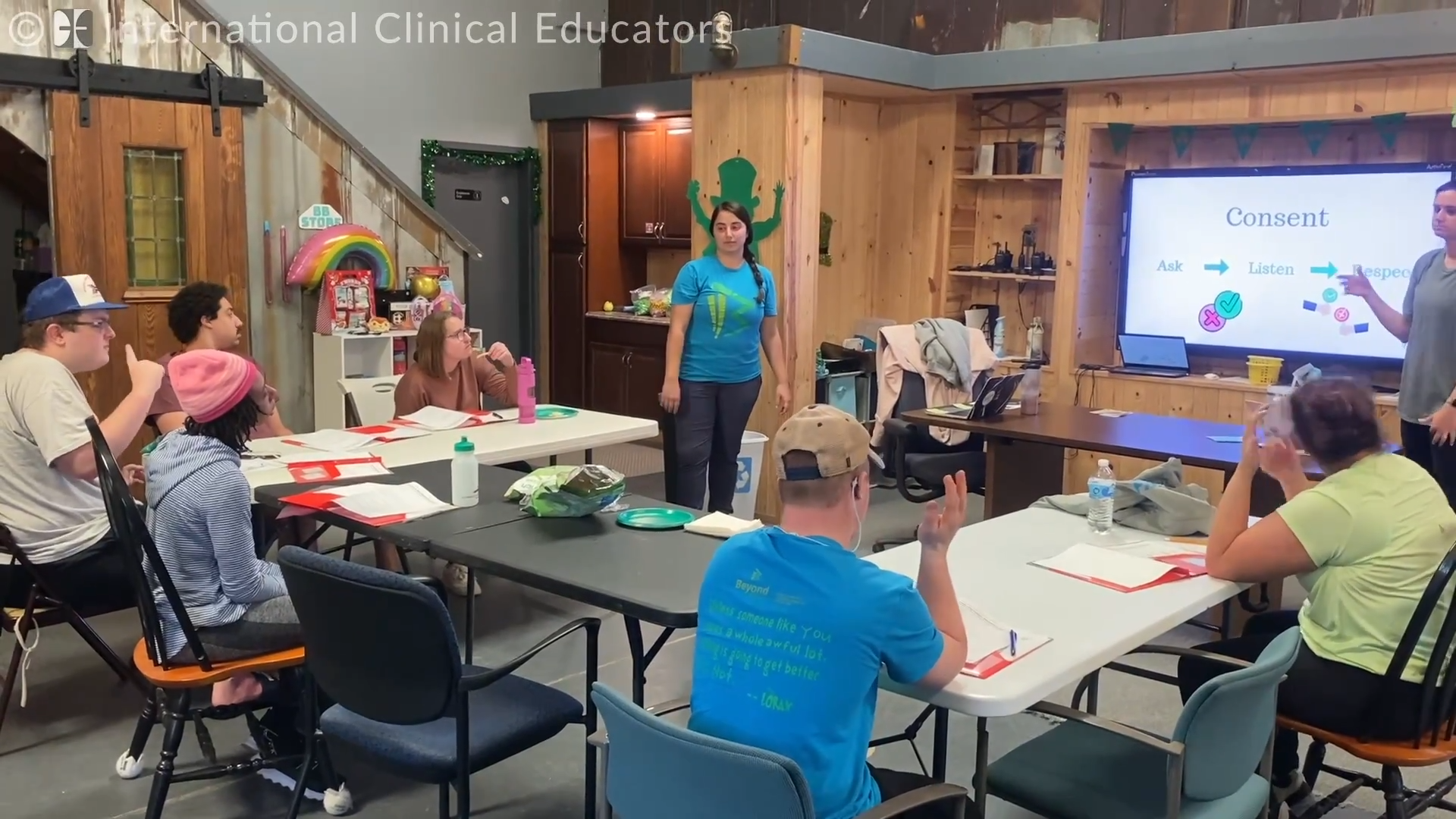


This learning activity is designed to improve clinical reasoning, orthotic fabrication skills, and documentation for orthoses in an outpatient setting for a client with lateral epicondylitis.

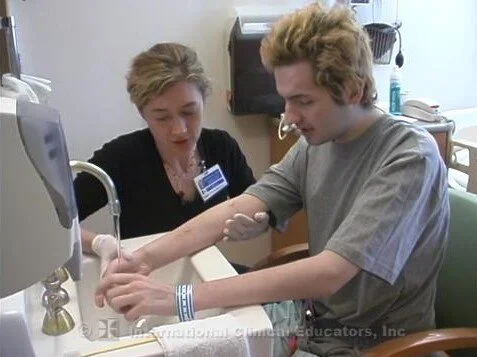
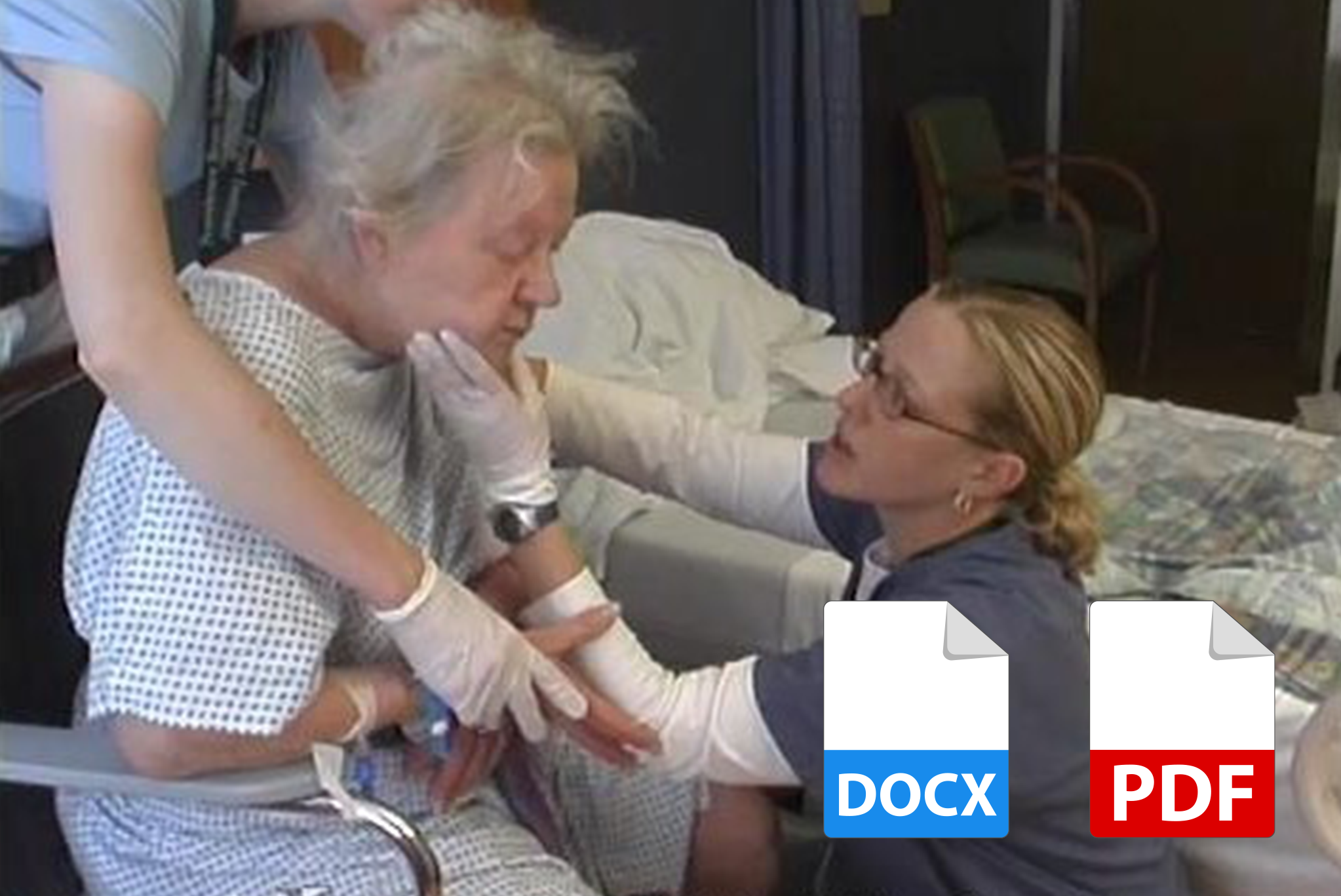
This learning activity is designed to improve clinical reasoning and documentation skills in an acute care setting for a client with stroke post open heart surgery.

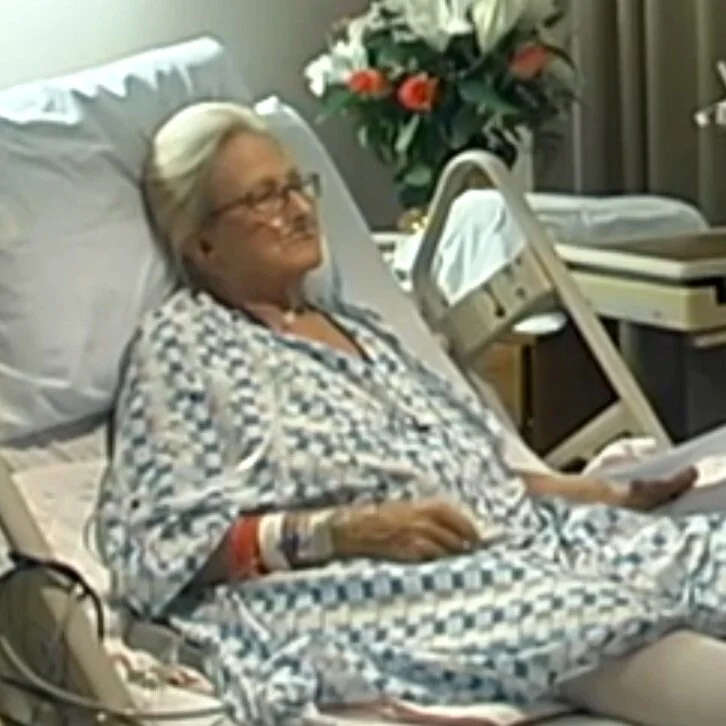
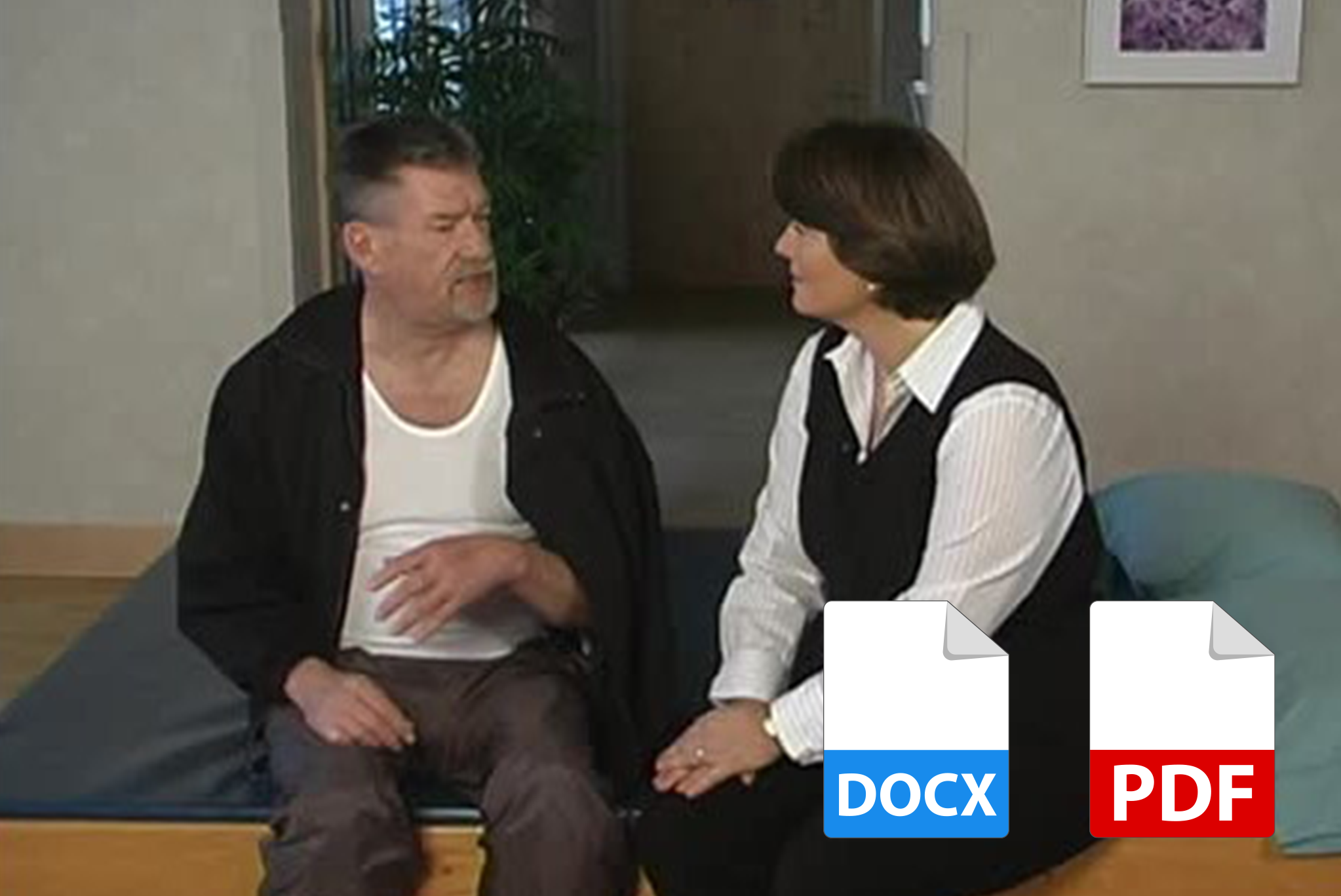
This learning activity is designed to improve clinical reasoning and documentation skills in an inpatient rehabilitation setting for a client post-stroke with dementia.

Learn three unique and effective ways to scaffold DocuLearn activities across your occupational therapy course to enhance student learning.
Speaker:
Amanda K. Giles, OTD, OTR/L, FAOTA

A walkthrough of an intuitive electronic documentation learning system and accompanying resources.
Speaker:
Amanda K. Giles, OTD, OTR/L, FAOTA

A Model Comprehensive Clinical Skills Assessment to Measure Student Preparation for Level II Fieldwork
Speaker:
Amanda K. Giles, OTD, OTR/L, FAOTA


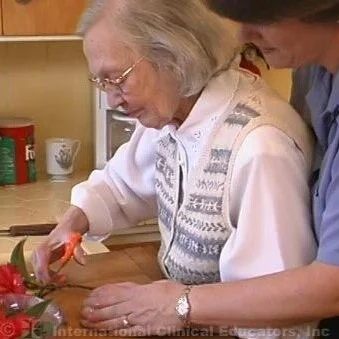
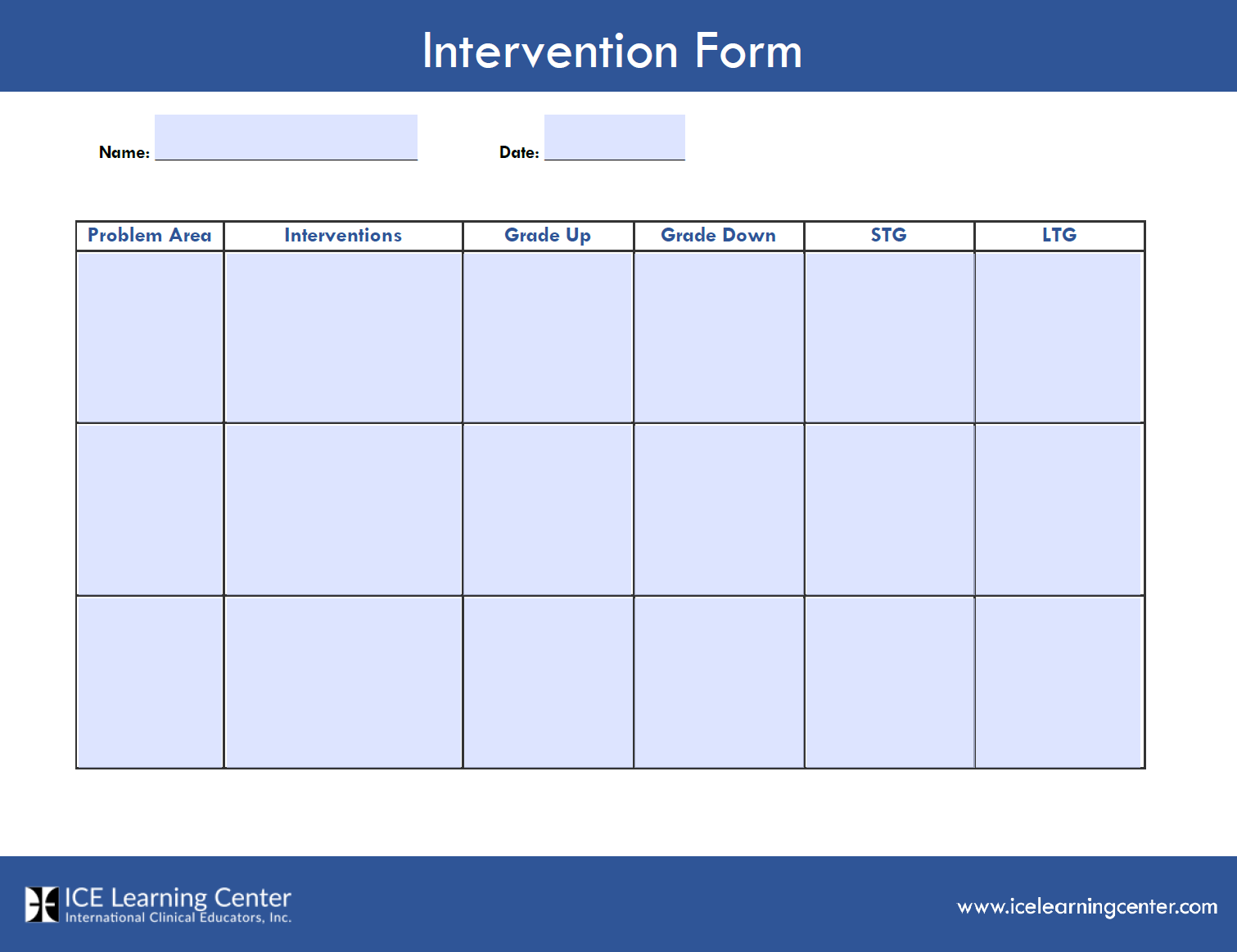
Students will need to identify the steps and cognitive skills required to complete an activity, justify why specified cognitive skills are necessary to complete an activity, and grade the activity demands up and down for individuals with varying degrees of cognitive impairment.

Students will need to identify the steps and cognitive skills required to complete an activity, justify why specified cognitive skills are necessary to complete an activity, and grade the activity demands up and down for individuals with varying degrees of cognitive impairment.


Universal Design for Learning (UDL) is an educational framework that provides a comprehensive structure for learning opportunities to meet diverse learning needs.

This lesson plan is designed to improve client education interventions that align with the Universal Design for Learning (UDL) educational framework. Instructors are encouraged to view the UDL module in Tips for Teaching to apply the framework to their instruction of students.

Speaker:
Melissa Turpin, OTD, OTR/L, CTP

In this learning activity, students will demonstrate competency in writing a thorough, accurate SOAP note of a treatment session with a pediatric client.

Teaching Standardized Assessments for OT & PT.
This activity supports the requirements for:
ACOTE standards B.4.6, B.4.7, B.4.8, B.4.20, B.4.26, B.4.28, B.6.1
Speaker:
Melissa Turpin, OTD, OTR/L, CTP
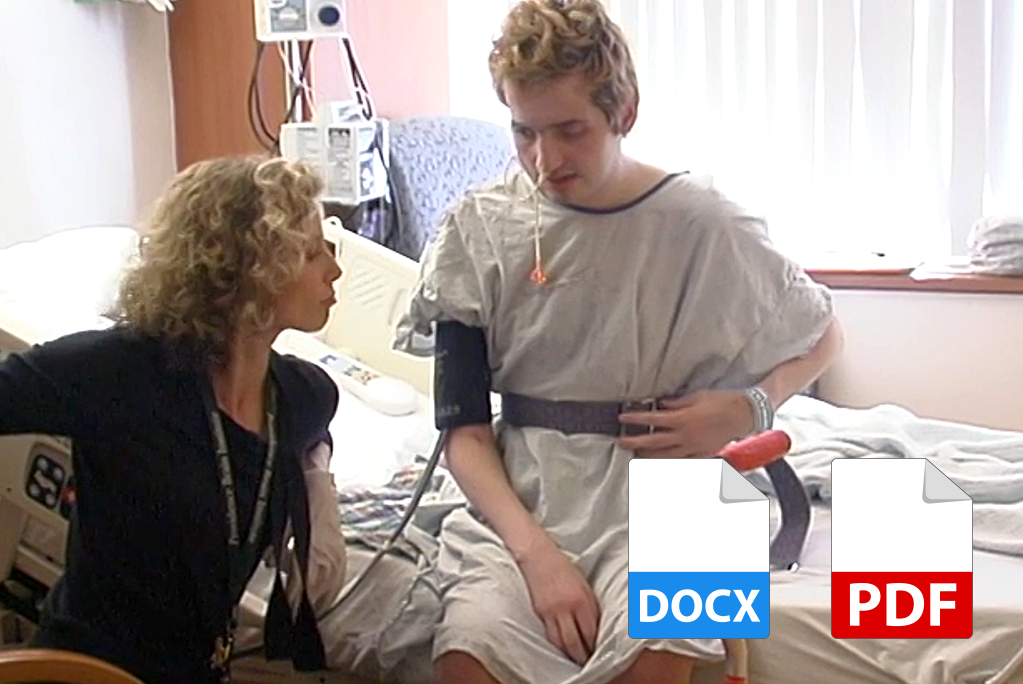
Ben’s videos include great therapist interaction and modeling of therapeutic alliance. He shows some frustration at times which is important for students to problem-solve. Ben’s medical history is complicated and so an excellent case to introduce or reinforce systems review principles. He has many personal factors and environmental factors that students can connect to parts of the ICF model template. Ben’s young age and prior level of function are salient to the students and grab their attention.
Speaker:
Lisa Doyle, PT, DPT, MS, NCS

Speaker:
Amanda K. Giles, OTD, OTR/L, FAOTA


This lesson plan is designed to apply a biomechanical approach to analysis of upper extremity movement, development of interventions in therapeutic exercise and functional activities, and clinical reasoning of client change over time.
This activity supports the requirements for:
ACOTE standards OT & OTA: B.2.1, B.3.6, B.4.3, B.4.22
CAPTE standards PT: 7A, 7D19k, 7D20; PTA: 7D19, 7D23h

Speaker:
Lynne Murphy, EdD, OTR/L


Speakers:
Lisa Doyle, PT, DPT, MS, NCS


This lesson plan is designed to develop observational skills comparing normal movement to atypical movement.
This activity supports the requirements for:
ACOTE standards B.4.4
CAPTE standards 7D7

This lesson plan is designed to assist with critical thinking skills linking impairments to functional limitations in sit to stand.
This activity supports the requirements for:
ACOTE standards B.2.1, B.4.10
CAPTE standards 7D9, 7D16, 7D19, 7D20, 7D21

This lesson plan is designed to be a continuation of the lesson plan critical thinking sit to stand and to supplement your lab on facilitation of normal movement and function.
This activity supports the requirements for:
ACOTE standards B.4.4
CAPTE standards 7D9, 7D16, 7D17, 7D19, 7D20, 7D23, 7D24, 7D25, 7D27, 7D32, 7D39

This lesson plan is designed to develop observational skills to determine deficits in static standing and early ambulation in a stroke survivor.
This activity supports the requirements for:
ACOTE standards B.4.4
CAPTE standards 7D7

This lesson plan is designed to foster critical thinking skills linking impairments to functional limitations in ambulation.
This activity supports the requirements for:
ACOTE standards B.2.1, B.4.10
CAPTE standards 7D9, 7D16, 7D19, 7D20, 7D21, 7D24

This lesson plan is designed as a continuation of critical thinking-ambulation and will develop clinical reasoning and hands on skills in early ambulation training.
This activity supports the requirements for:
ACOTE standards B.4.4
CAPTE standards 7D7, 7D9, 7D16, 7D17, 7D19, 7D20, 7D21, 7D23, 7D24, 7D25, 7D27, 7D30, 7D32


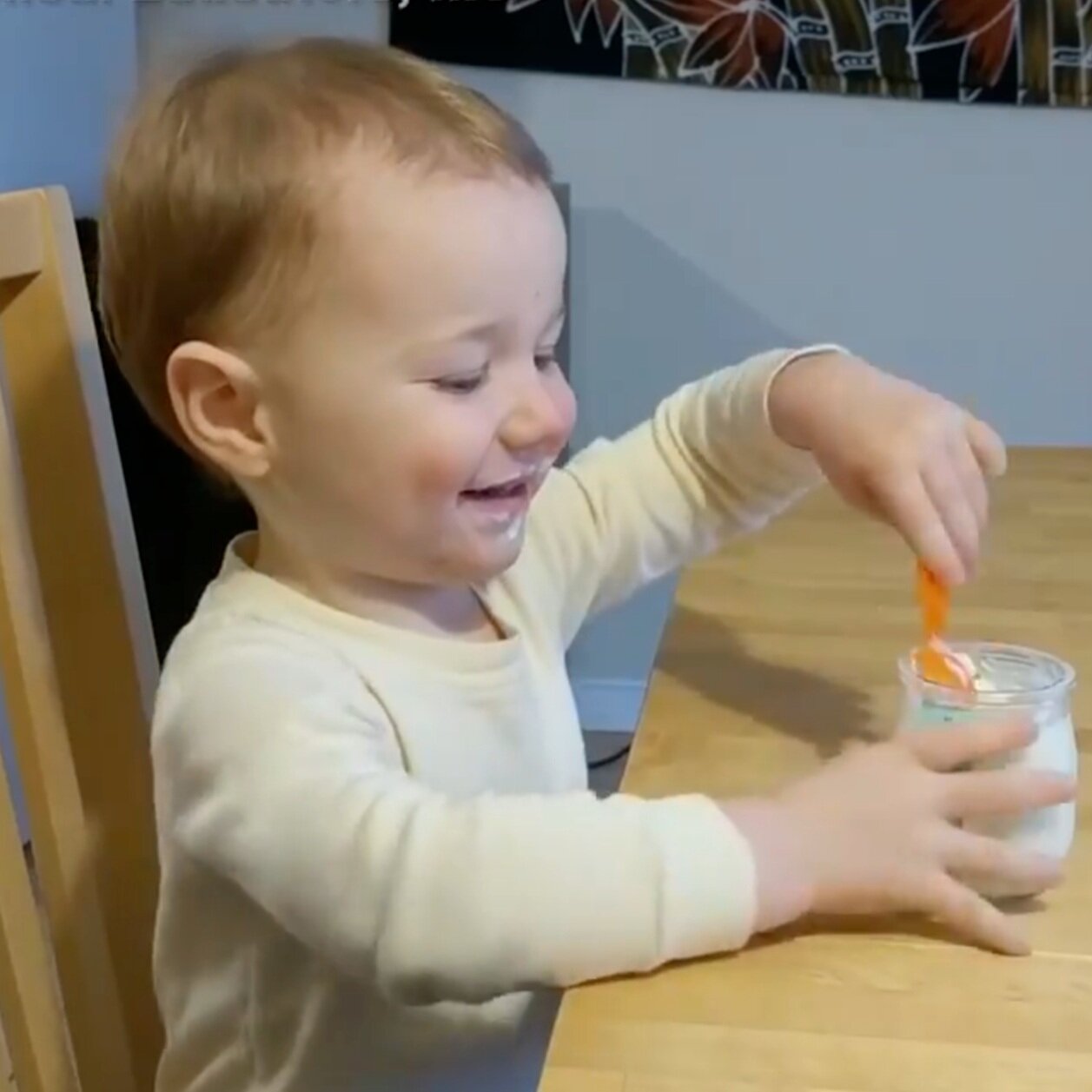

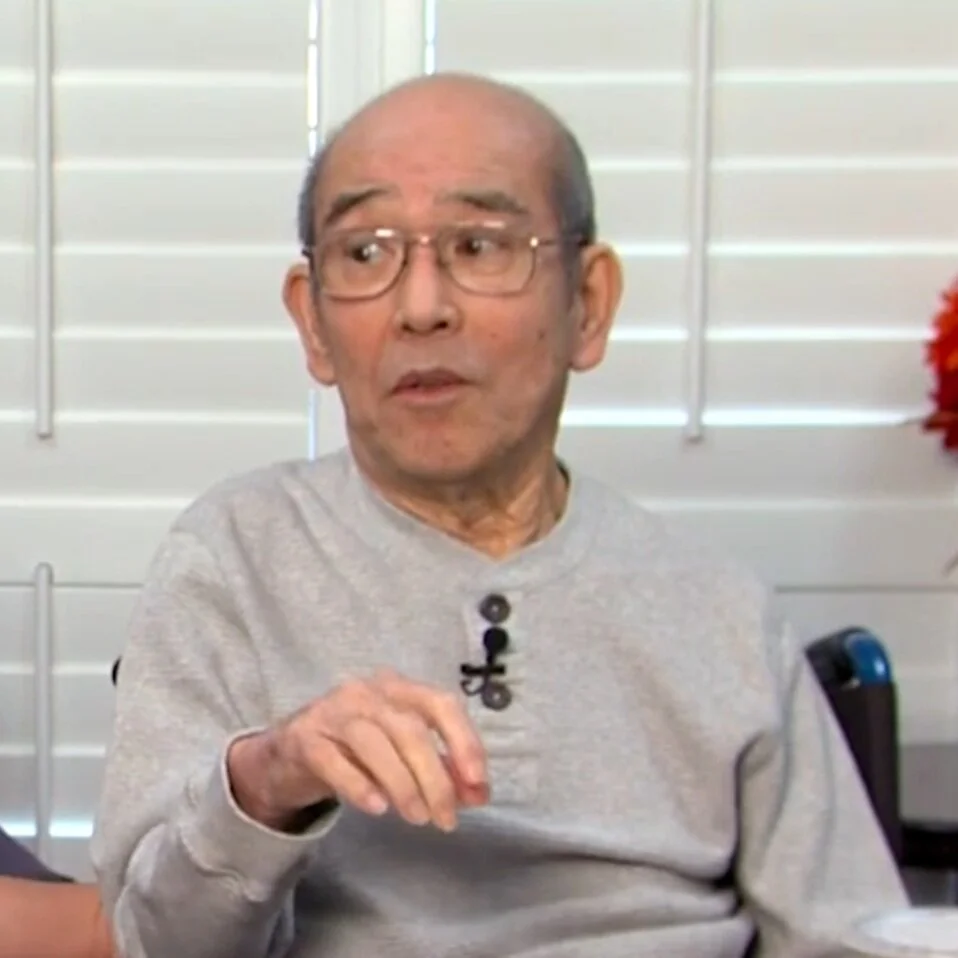
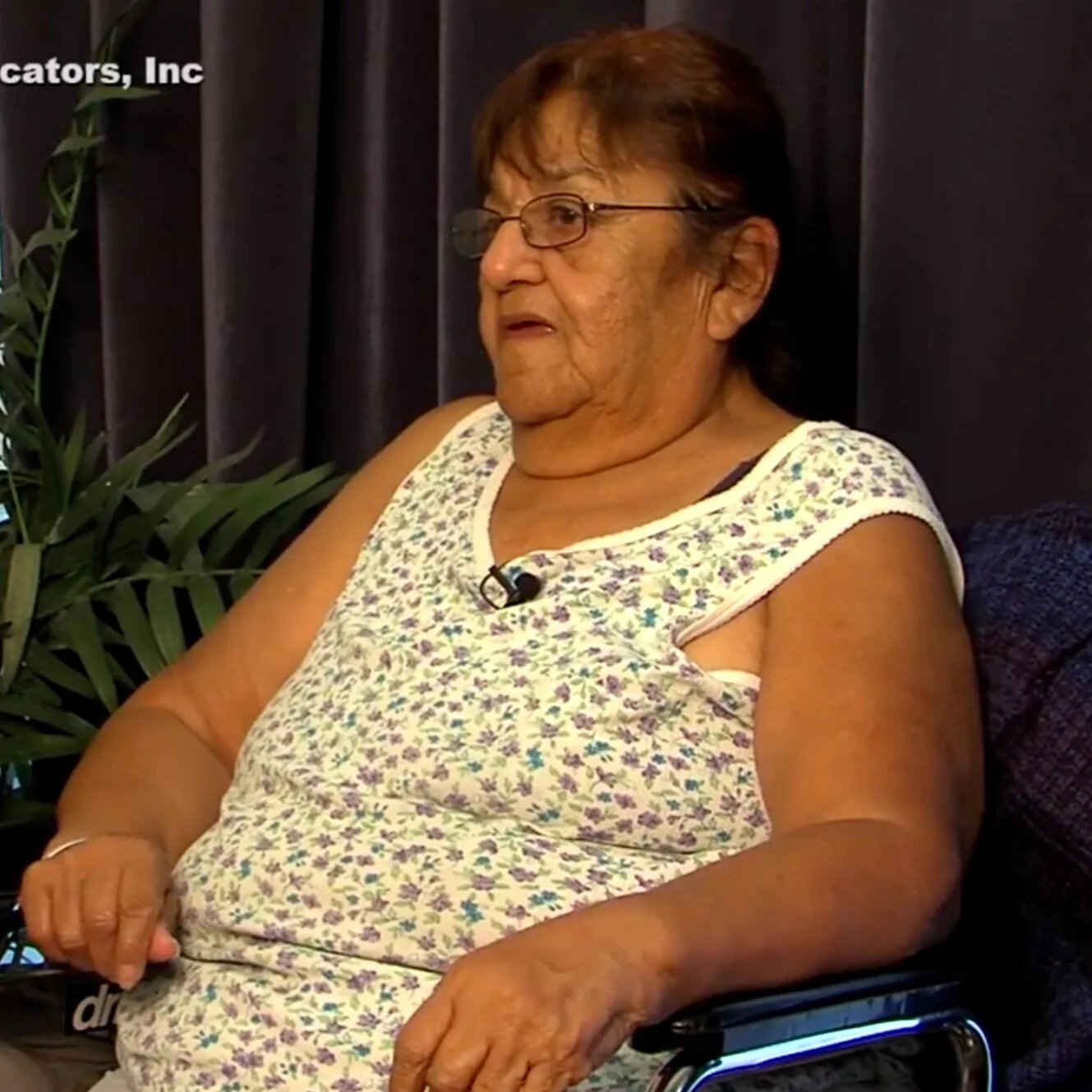
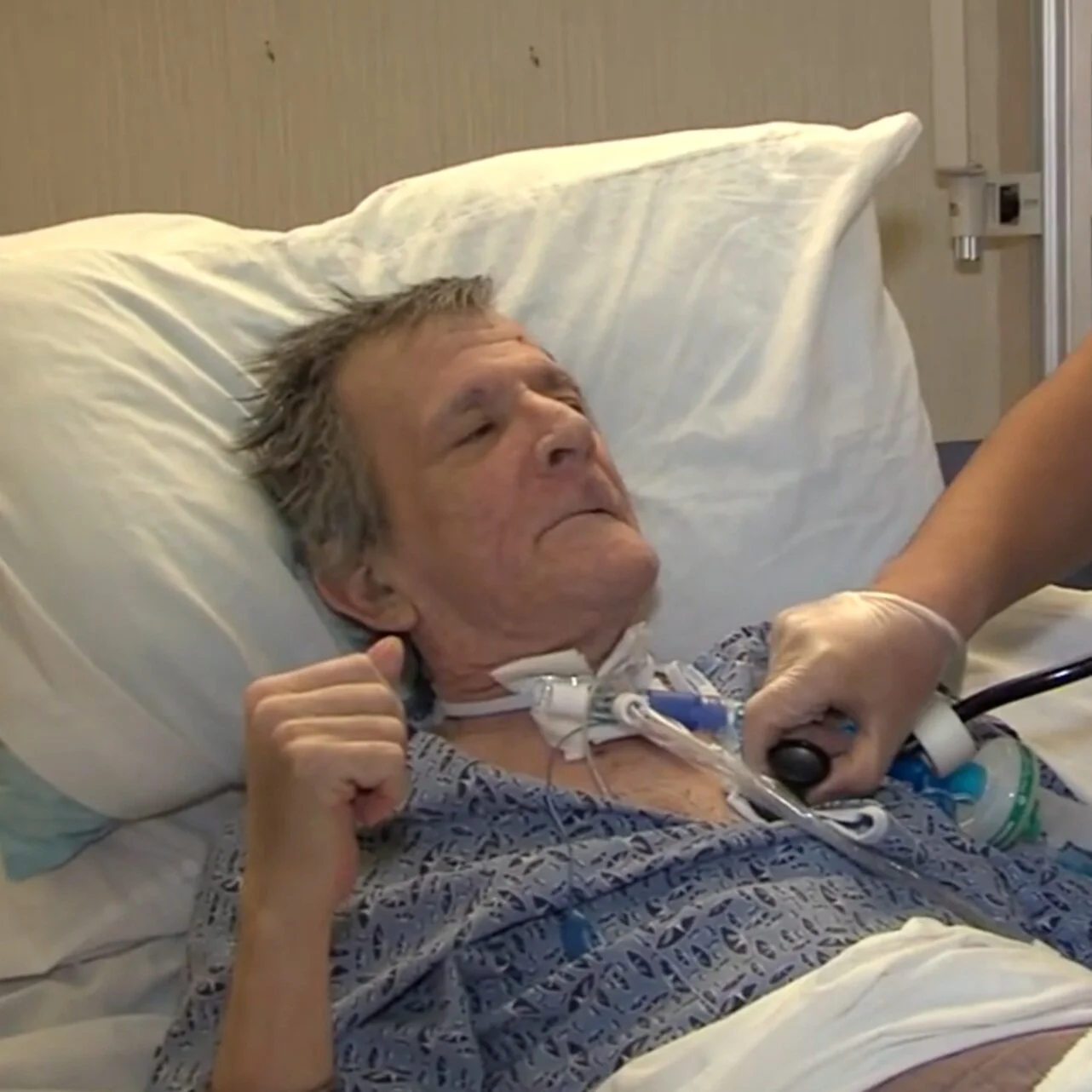

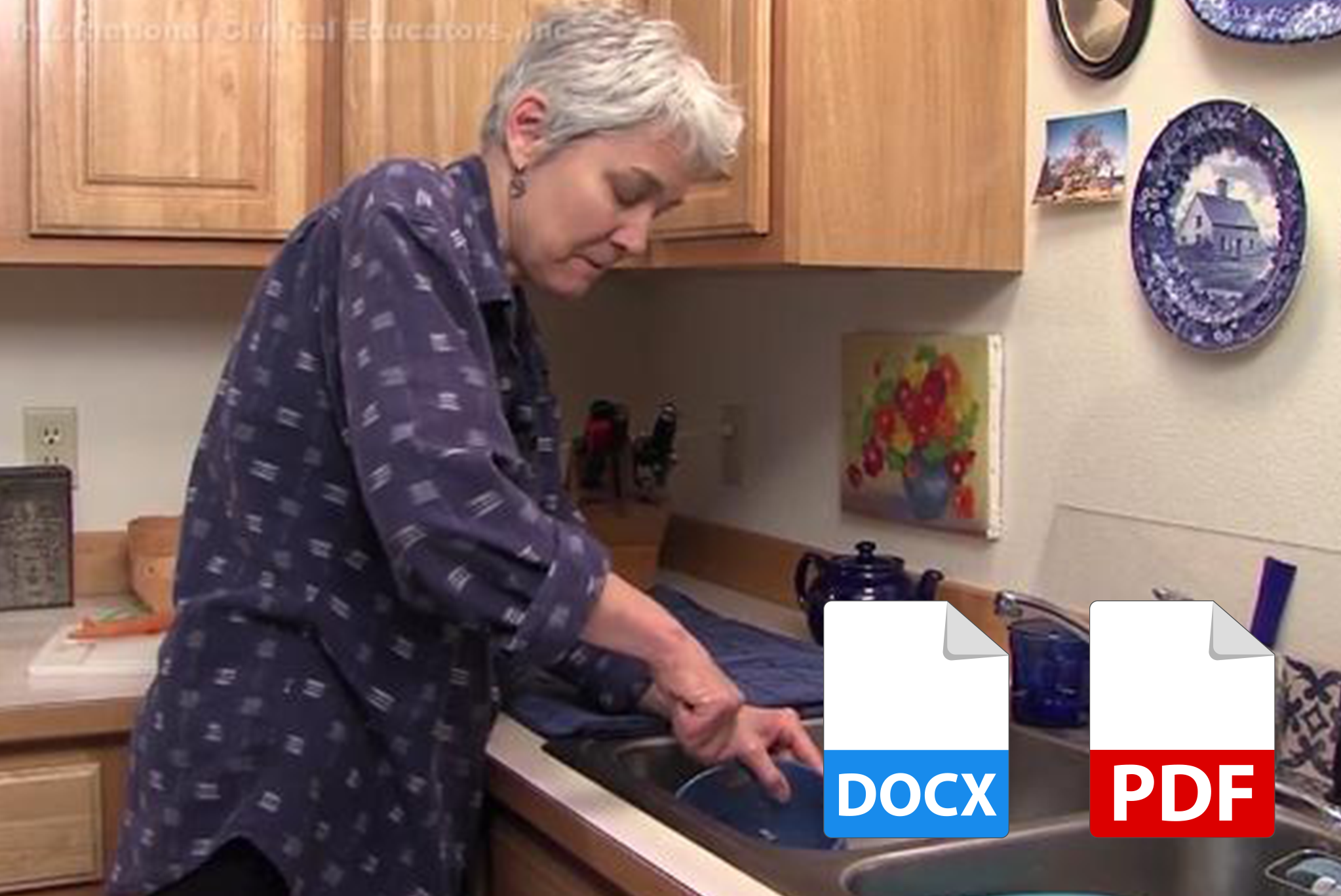

Speakers:
Amanda K. Giles, OTD, OTR/L, FAOTA
Rebecca Frans, OTD, OTR/L
Cristy Daniel, EdD, OTR/L
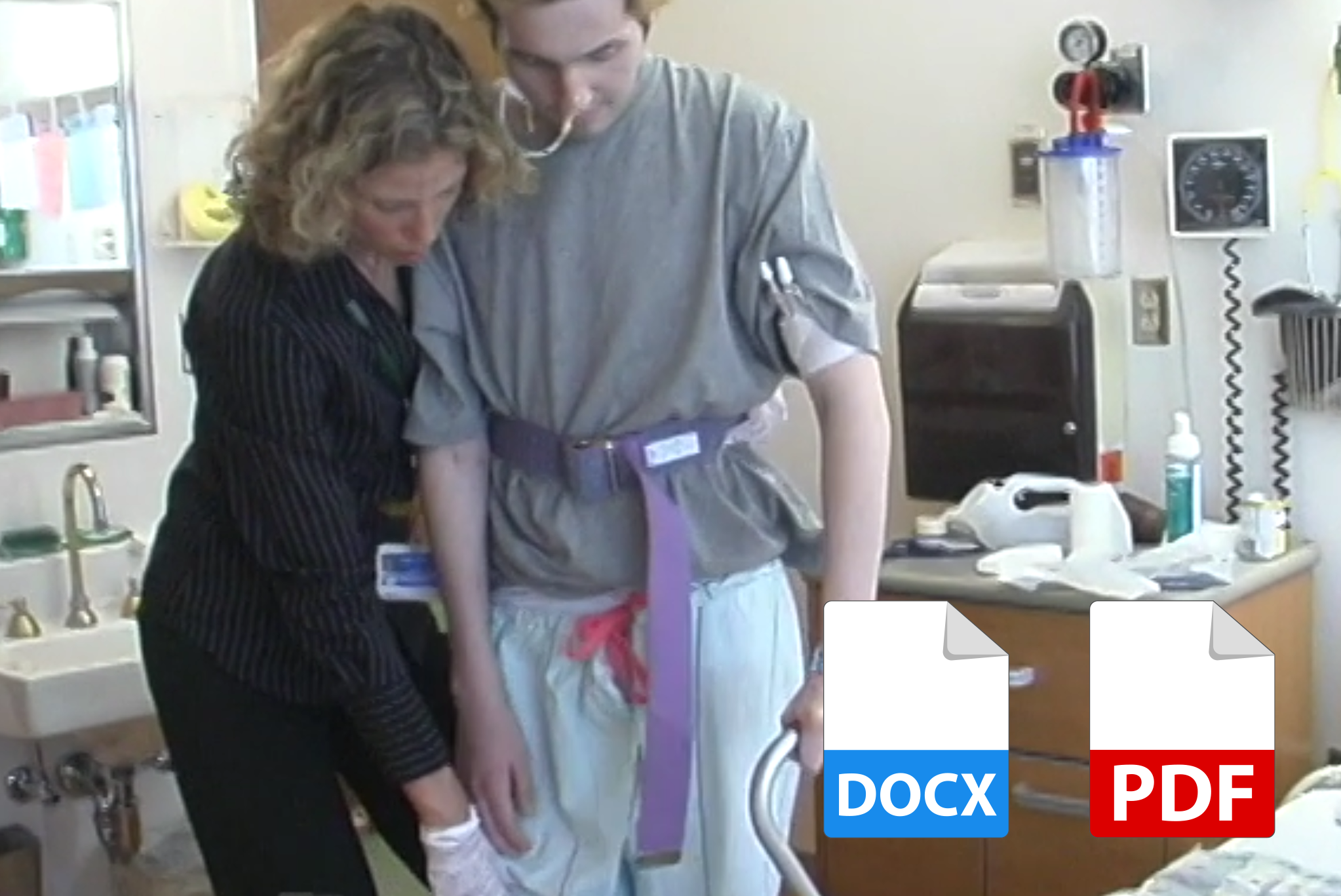
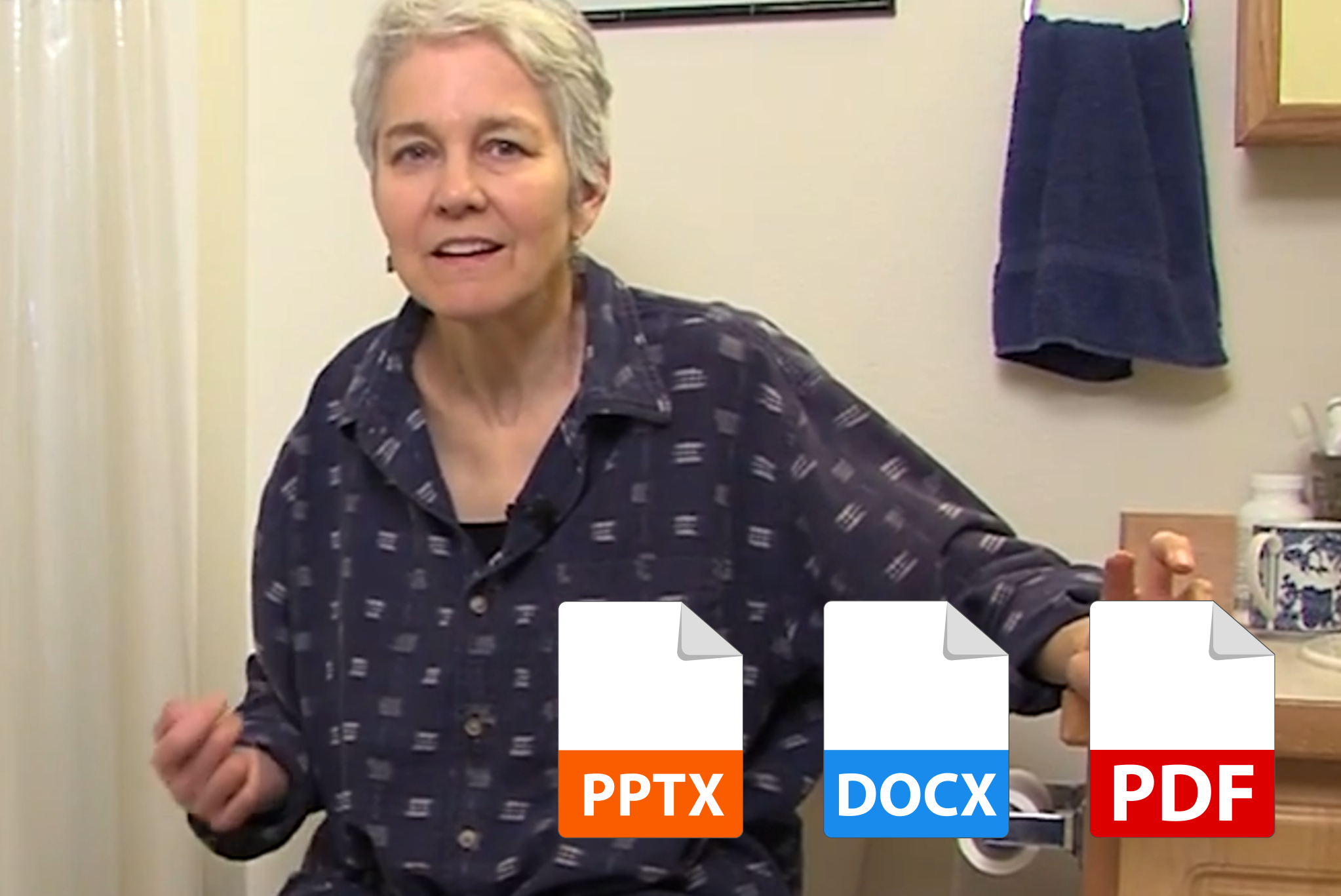

Speaker:
Jan Davis, MS, OTR/L
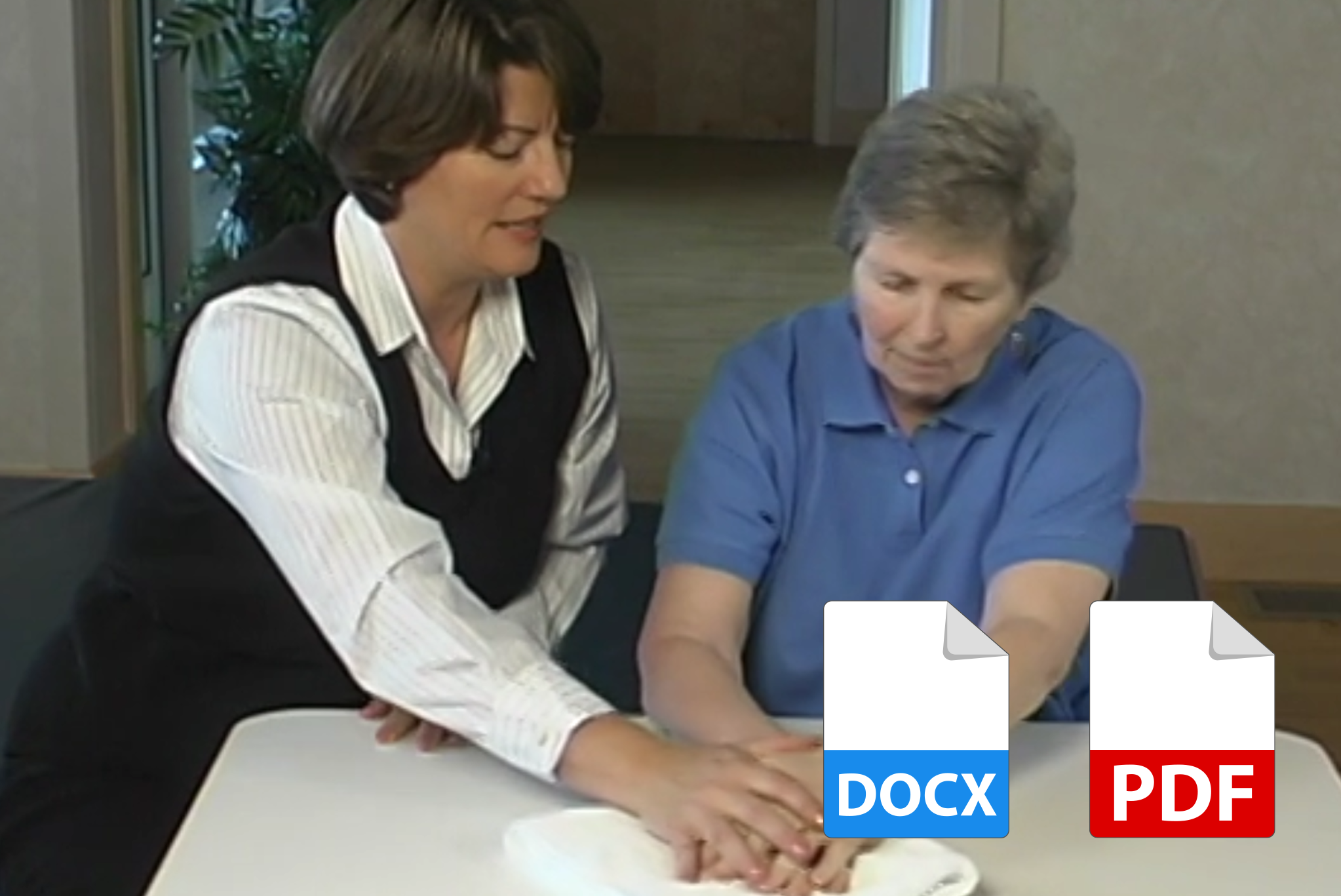

Speaker:
Claudia Miller, OTD, OTR/L

Speakers:
Dawn McKenna-Sallade, MA, OTR/L
Jessica Padilla, BS, COTA/L
Travis Carlton, PTA, EdS, MS, CCI
Mary Lou Sullivan, PT, BS

This lesson plan is designed to supplement other interprofessional activities within a curriculum and situate group collaboration and collegiality within the context of case-based reasoning.
This activity supports the requirements for:
ACOTE standards B.4.8, B.4.23, B.4.25, B.4.28
CAPTE standards 7D37, 7D39
Speakers:
Mary Hudson-McKinney, PT, DPT, MS, NCS
Lynne Murphy, EdD, OTR/L

Speakers:
Lisa Doyle, PT, DPT, MS, NCS
Rebecca L Simon, EdD, OTR/L, FAOTA

Speakers:
Cristy Daniel, EdD, OTR/L
Rebecca Frans, OTD, OTR/L
Lisa Koch, MOT, OTR/L
Equivalent to 20 hours of clinical observation, this in-depth Level I Fieldwork Alternative was designed to be implemented over a 4-week span.
Week 1: Interviews and Assessment
Week 2: ADLs and IADLs
Week 3 Upper Extremity Preparation
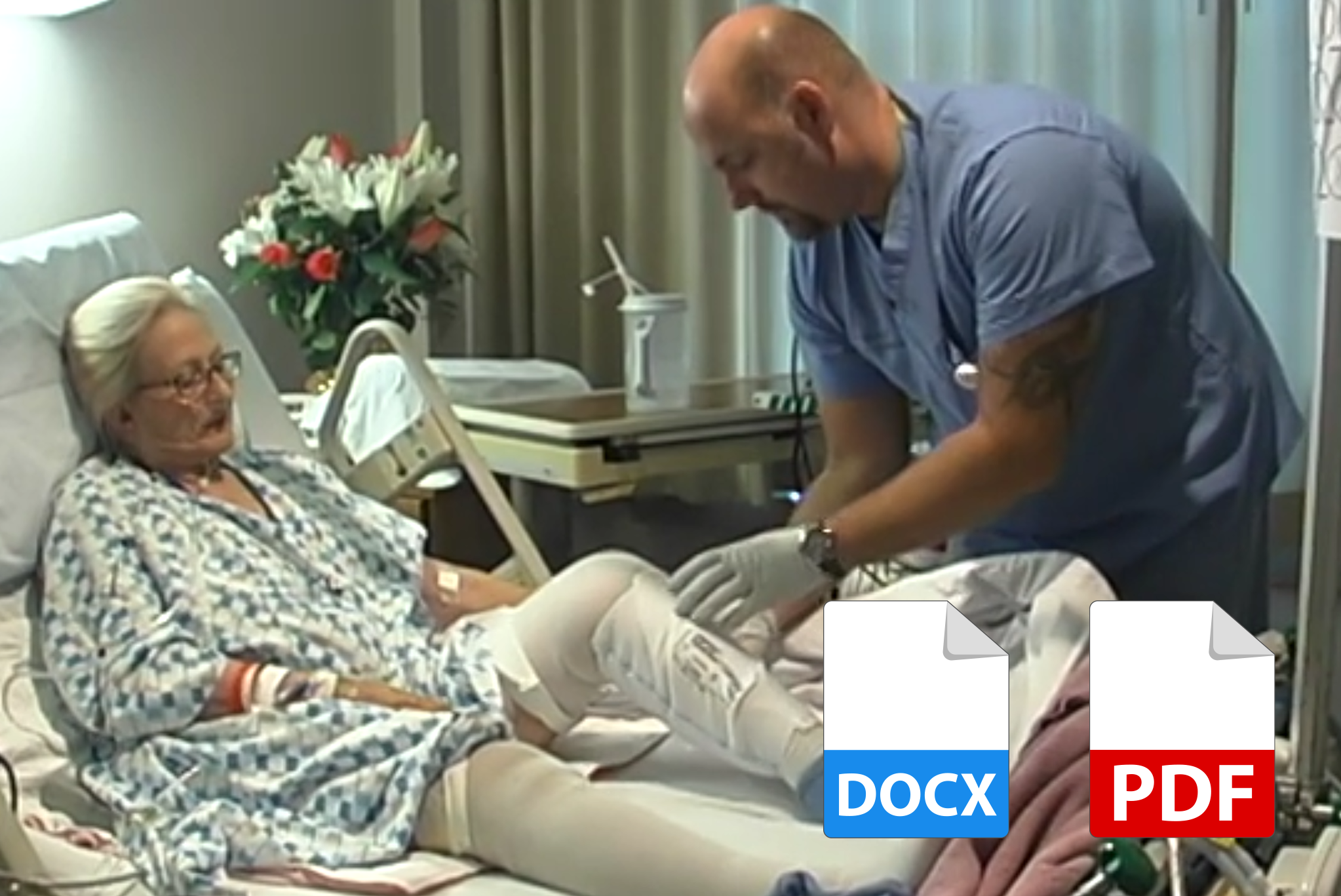
Week 4: Interprofessional Interaction in the ICU
Included are ICE Videos with Comprehensive Assignments, Activity Time Log, Observation Forms, and Assignment Checklist.


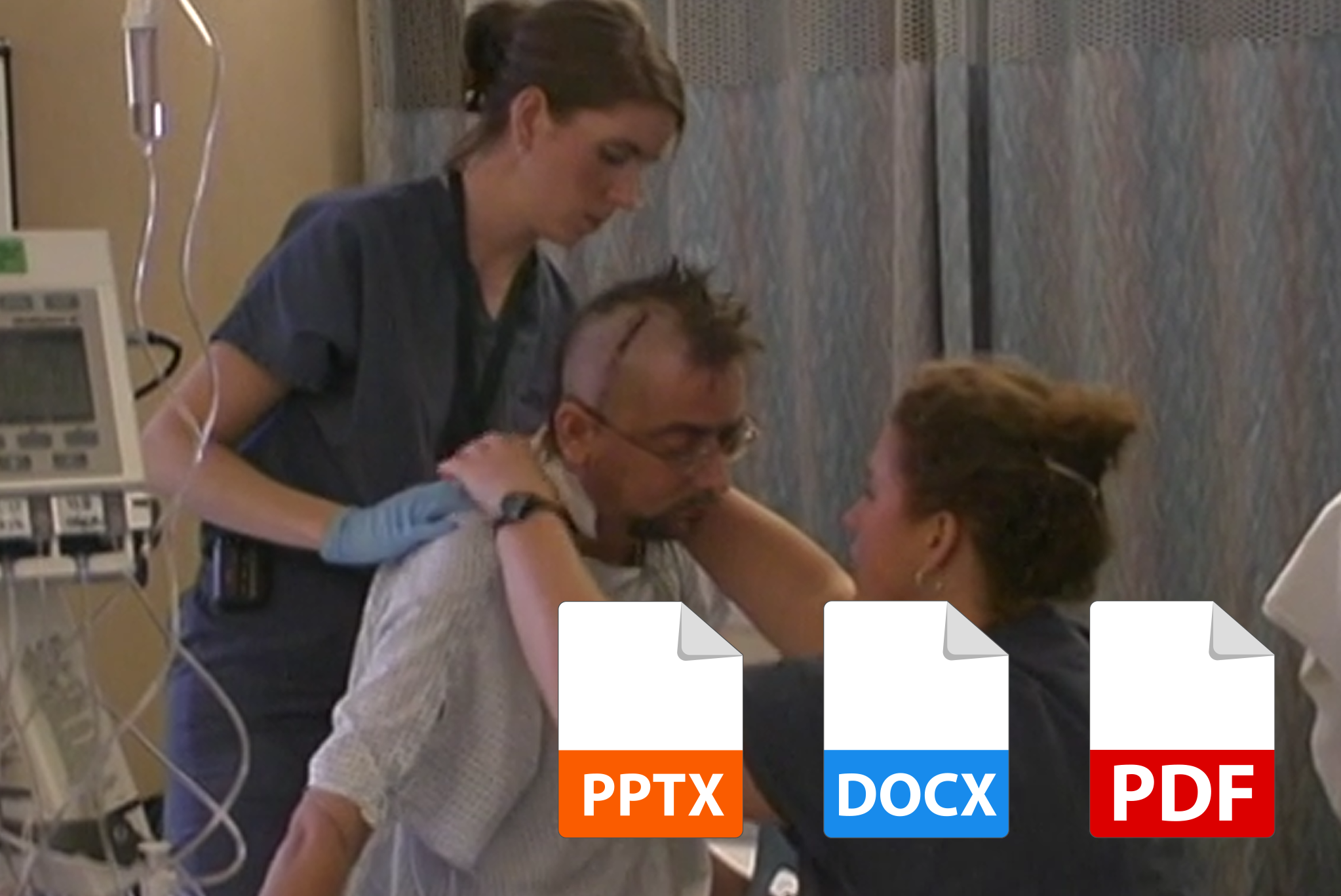

For each video, analyze the movement of the client’s indicated or non-affected upper extremity; joints; movement(s); prime movers; type of contraction; approximate AROM; and any movements/muscles associated.
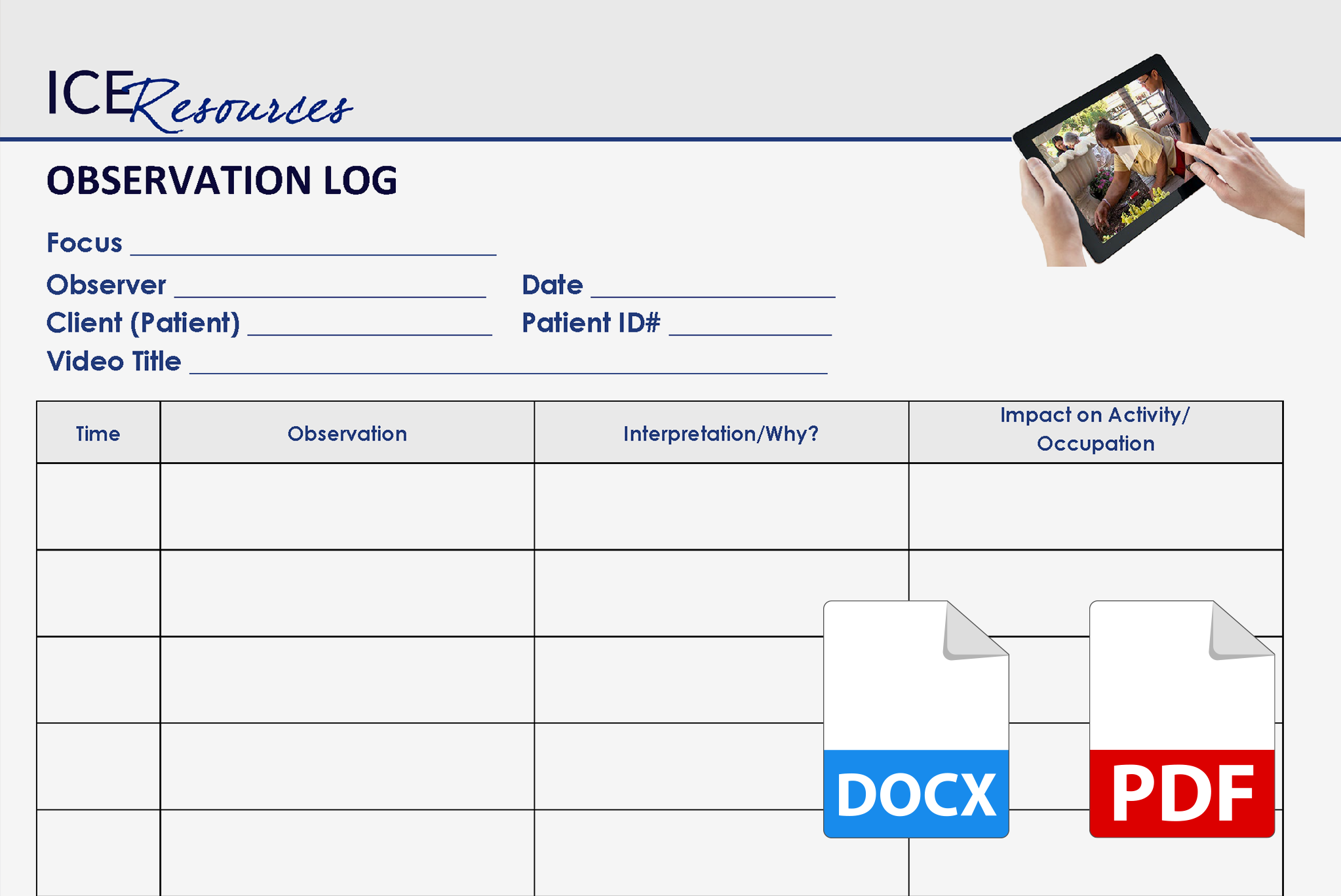
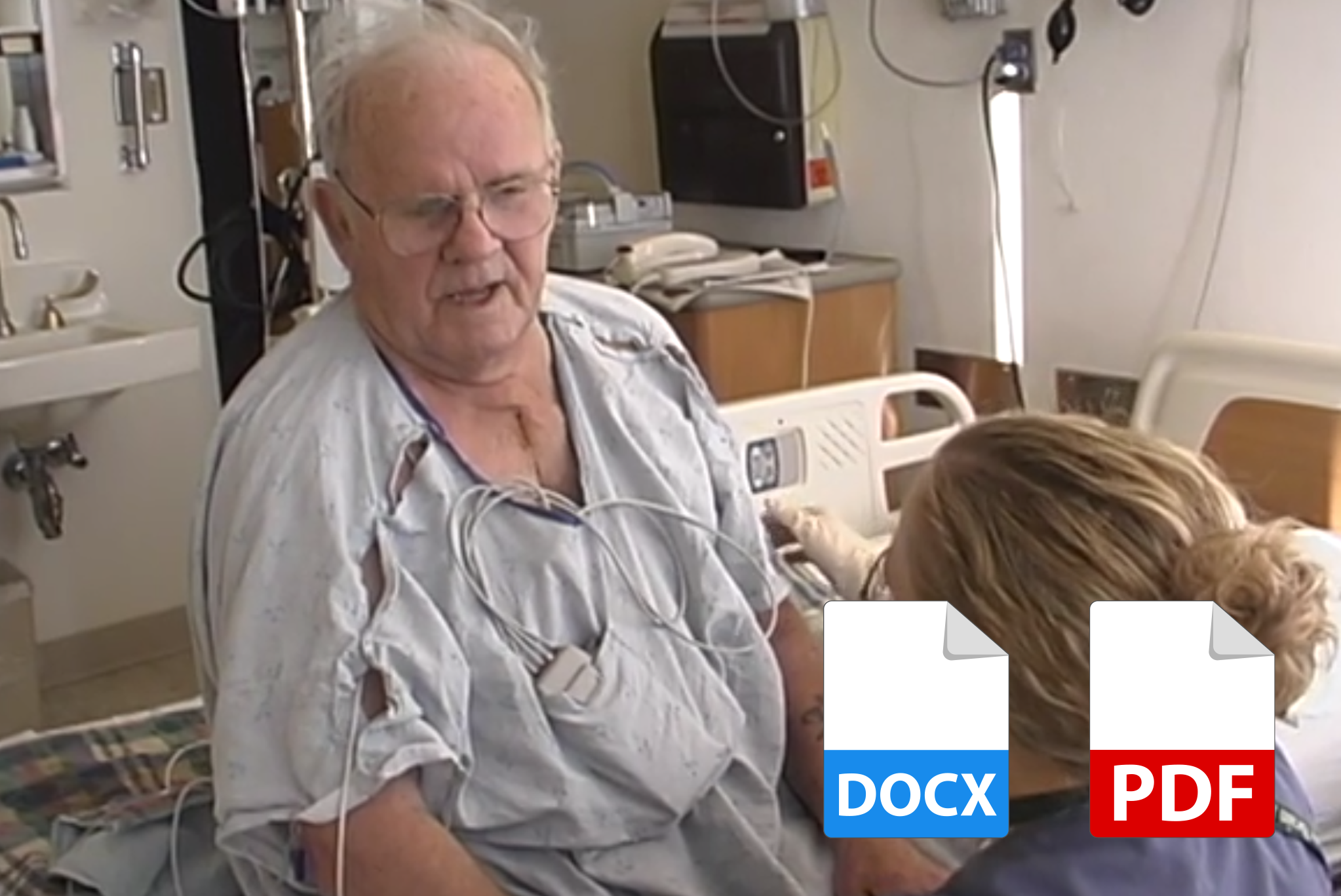
The goal of this assignment is to demonstrate an understanding of OT treatment across a continuum of settings, based upon your hands-on fieldwork experiences, and how you would advance the treatment plan, and with patients with different diagnoses.

Included are 5 assignments. In total, they are intended to provide 5 days of alternative Level I Fieldwork assignments.
Watch the webinar Create a Virtual Patient Experience Using the ICE Video Library to learn more from Misty Burton on this Level I Fieldwork Alternative and how her students responded.

Watch the webinar Create a Virtual Patient Experience Using the ICE Video Library to learn more from Mary Hudson-McKinney on this virtual clinical experience and how her students responded.

Speaker:
Jan Davis, MS, OTR/L

Speaker:
Jan Davis, MS, OTR/L

Speaker:
Jan Davis, MS, OTR/L

Speakers:
Jan Davis, MS, OTR/L
Mary Hudson-McKinney, PT, MS, DPT, NCS
Misty Burton, MA, OTR/L

Speakers:
Amanda Giles, OTD, OTR/L
Jan Davis, MS, OTR/L

Speakers:
Lynne Murphy, EdD, OTR/L
Jan Davis, MS, OTR/L

Speakers:
Laurie Daigle, PT, MA
Sharon Glover, OTD, OTR/L
Lisa Koch, MOT, OTR/L
Jan Davis, MS, OTR/L

Speakers:
Sherry Stancliff, OTD, OTR/L, SCSS
Amanda Giles, OTD, OTR/L
Jan Davis, MS, OTR/L

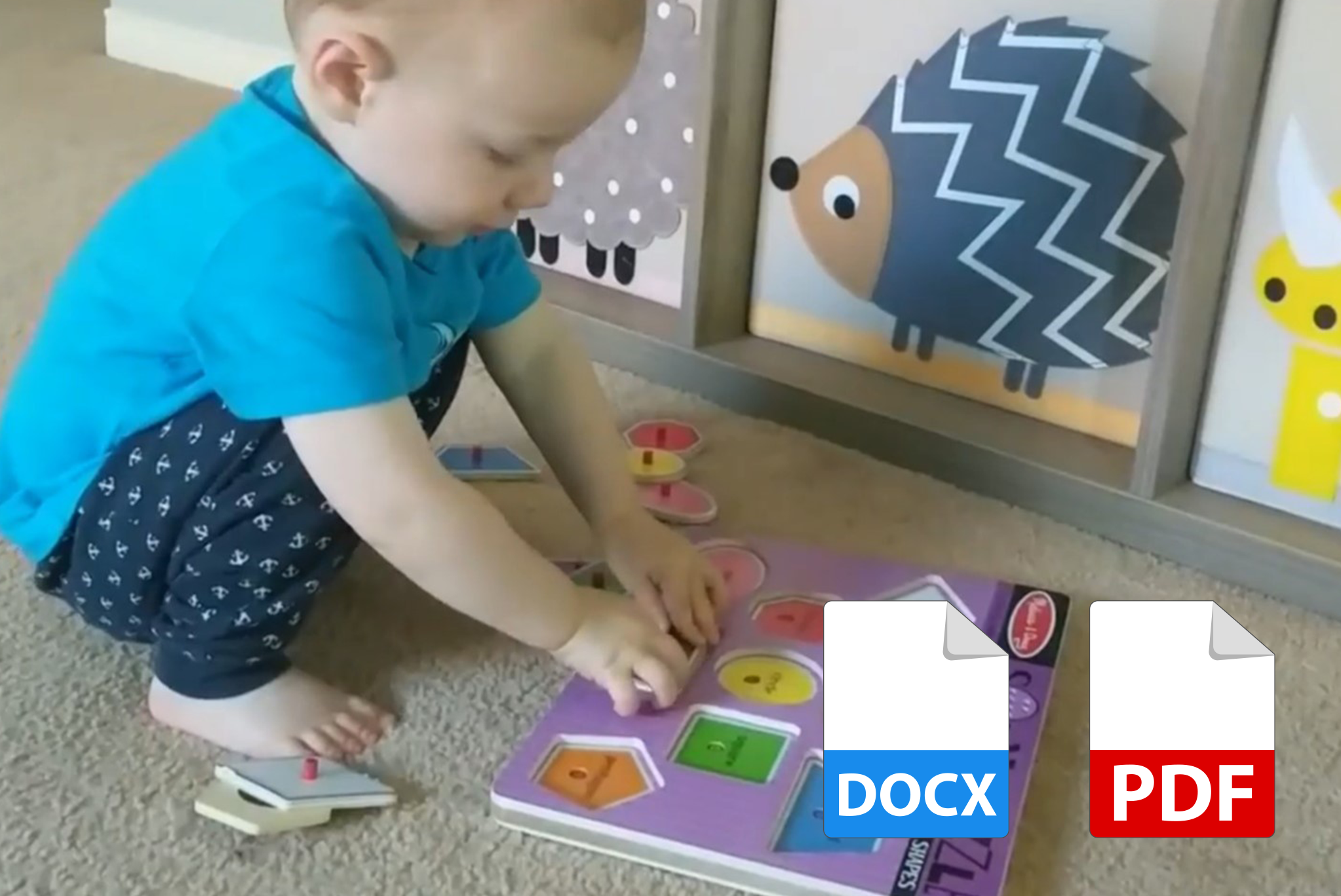
Supplement your lab regarding atypical movement patterns and apply knowledge of developmental sequences related to hand use, balance, and movement.
This activity supports the requirements for
ACOTE standards B1.1, B.3.2, B.3.6, B.4.25
CAPTE standards for PT: 7D27, 7D28 and PTA: 7D19, 7D24i, 7D28
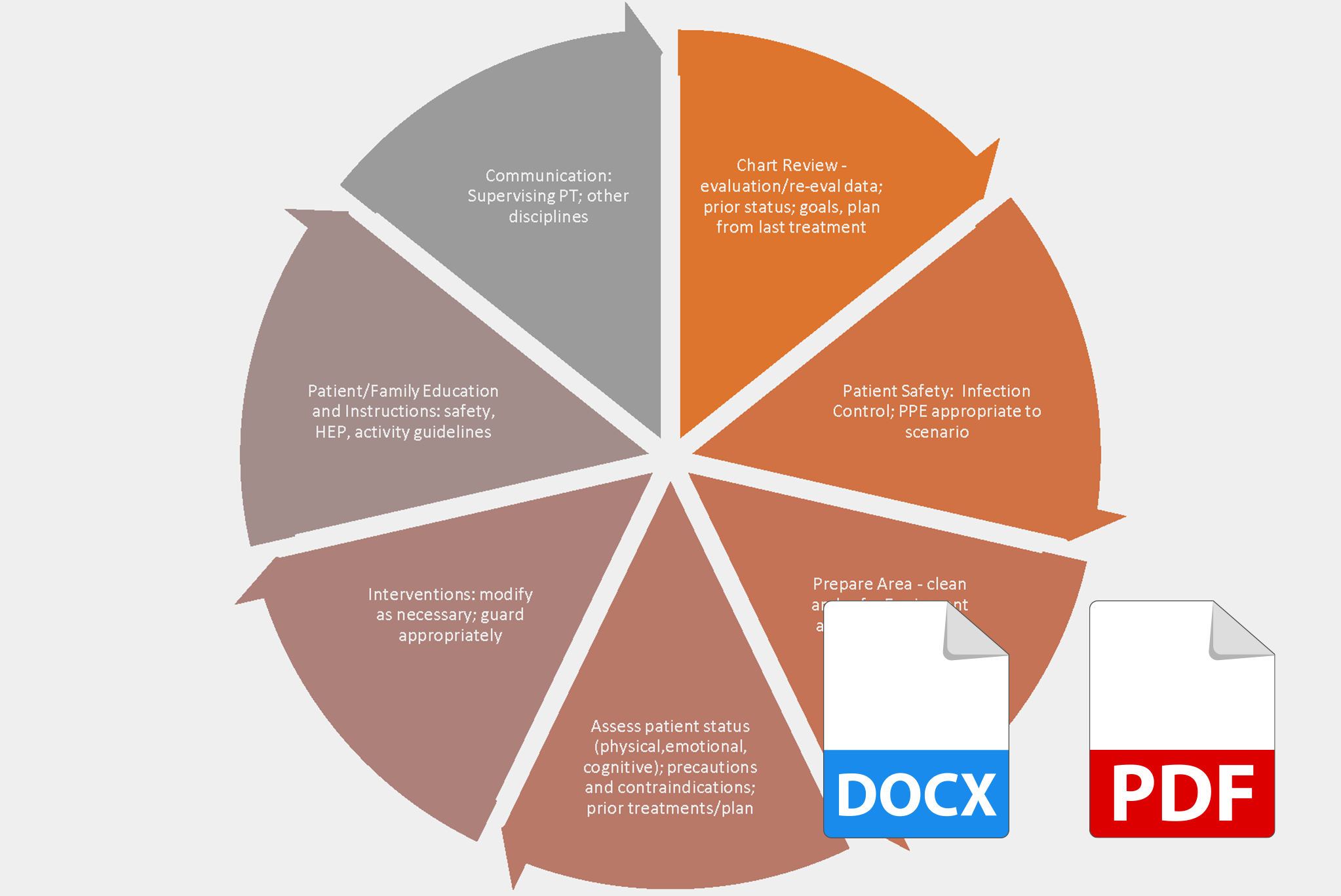
Use ICE Videos to support basic patient care skill acquisition in distance learning.