
Tips for teaching.
Getting Started
Start with the 2-minute video ICE Video Library Starting Guide to learn the quickest way to navigate the ICE Video Library. Next, get an overview of the many ways faculty incorporate videos into their classes in ICE Video Library Tips. Finally, browse through each category to find a wealth of information on specific topics.

This short 2-minute video demonstrates how to navigate the entire ICE Video Library with ease. You’ll get a head start by learning time-saving tips and shortcuts for finding the perfect video.

Learn creative ways to design and implement dynamic learning activities for online and in-class learning experiences in this introduction to the ICE Faculty Zone.

5 tips for using the ICE Video Library in your courses: for class discussions, to illustrate clinical symptoms, as a way to demonstrate practice skills, for creating learning activities, or as a method of evaluating student outcomes with exams.

These concise, one-page ICE Breakers are designed to grab and go! Each features a video from the ICE Video Library, and suggested practice sessions and discussion ideas for students.
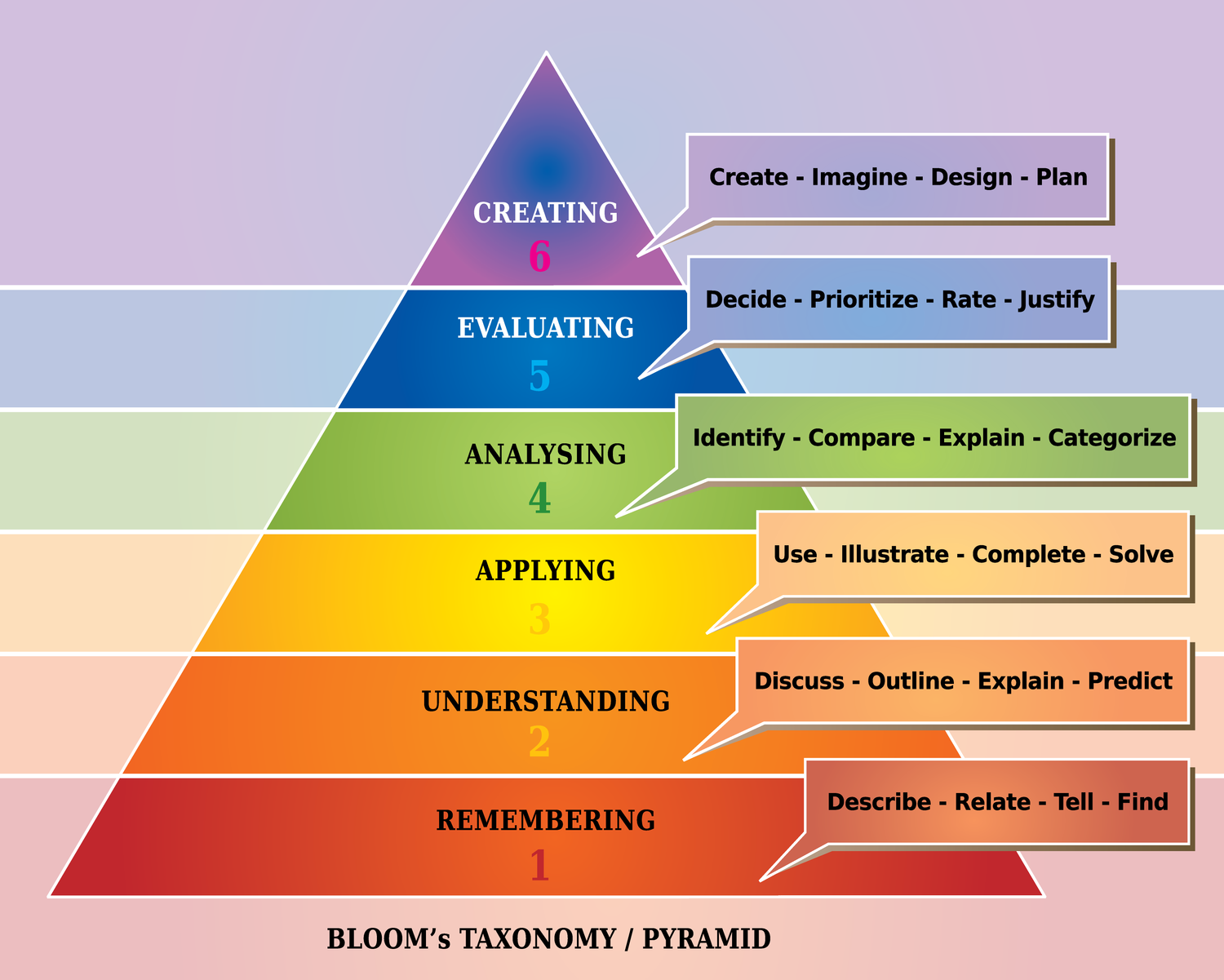
With careful planning, innovative thinking, and access to quality resources, the traditional classroom can be flipped into a hands-on, active learning environment that pushes student critical thinking to a higher level.
Categories
Here you’ll find great resources on how to teach with ICE Videos. Whether you're a longtime subscriber or new to our video collections, you'll learn creative ways to design and implement dynamic learning activities for online and in-class learning experiences.


Case-based learning describes instructional methods in which an expert describes experiences or cases, to assist others to learn and reason in similar situations. This allows novices to transfer the cases into knowledge that can be recalled and utilized in flexible ways. Cases allow a learner to assign meaning and context to a situation, facilitating problem-solving in similar or new situations. The cases are essentially expert advice framed as a story.

Universal Design for Learning (UDL) is an educational framework that provides a comprehensive structure for learning opportunities to meet diverse learning needs.

Cases have been carefully selected to allow faculty to bridge the gap between the didactic classroom and clinical experience for their students. Each case includes PDFs formatted to allow students to complete and return to their course instructor. Also included are examples for faculty to reference when choosing learning activities to assign to students.

Each of these 60 minute webinars were recorded live, during the summer of 2020, to help ICE Video subscribers optimize their subscription to meet the needs of both faculty and students during COVID-19.


The Occupational Therapy Practice Framework: Domain and Process, 3rd ed. (OTPF-III) is an official AOTA document that represents the core concepts of what occupational therapists know (domain of knowledge) and do (process of evaluation and intervention).