Topics covered in this presentation
| Introduction | ||
| 00:00 | Jan Davis MS, OTR/L: Welcome | |
| 05:56 | Jan Davis MS, OTR/L demonstrates the Faculty Zone | |
| Lynne Murphy, EdD, OTR/L | ||
| 10:45 | Jan Davis MS, OTR/L introduces Lynne Murphy, EdD, OTR/L | |
| 14:07 | Recognizing the Person in Case-Based Learning | |
| 19:31 | What is Case-Based Learning? | |
| 22:15 | How to use ICE Videos in Case-Based Learning | |
| 30:49 | Emphasizing Authenticity | |
| 31:49 | Build in Scaffolding | |
| 32:57 | Pair Videos with Learning Objectives | |
| 33:10 | Use Across the Curriculum | |
| 34:27 | Case Study: Dr. T | |
| 35:35 | Dr. T’s Completed Medical Record (completed form) | |
| 37:02 | Blank Occupational Therapy Initial Evaluation Form | |
| 38:19 | Dr. T’s Completed Occupational Therapy Initial Evaluation Form | |
| 39:22 | Learning Activity - Complete Form (blank) | |
| 47:34 | Learning Activity - Focus on Clinical Reasoning (Dr. T) | |
| Closing | ||
| 51:17 | Question & Answer session, Closing | |
Related Tips for Teaching
Case-based learning describes instructional methods in which an expert describes experiences or cases, to assist others to learn and reason in similar situations. This allows novices to transfer the cases into knowledge that can be recalled and utilized in flexible ways. Cases allow a learner to assign meaning and context to a situation, facilitating problem-solving in similar or new situations. The cases are essentially expert advice framed as a story.
Related Tools for Teaching
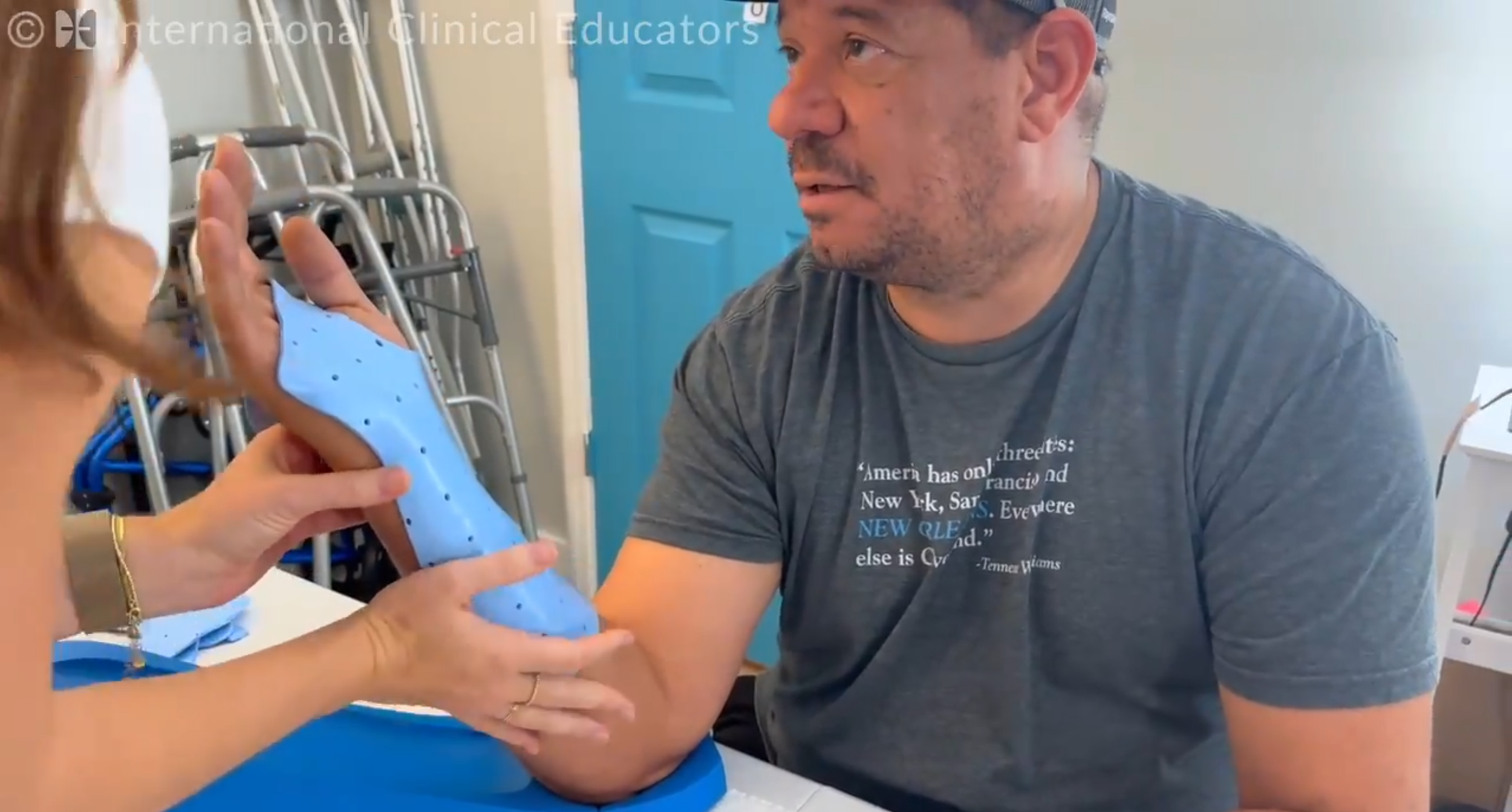
This learning activity is designed to improve clinical reasoning, orthotic fabrication skills, and documentation for orthoses in an outpatient setting for a client with lateral epicondylitis.
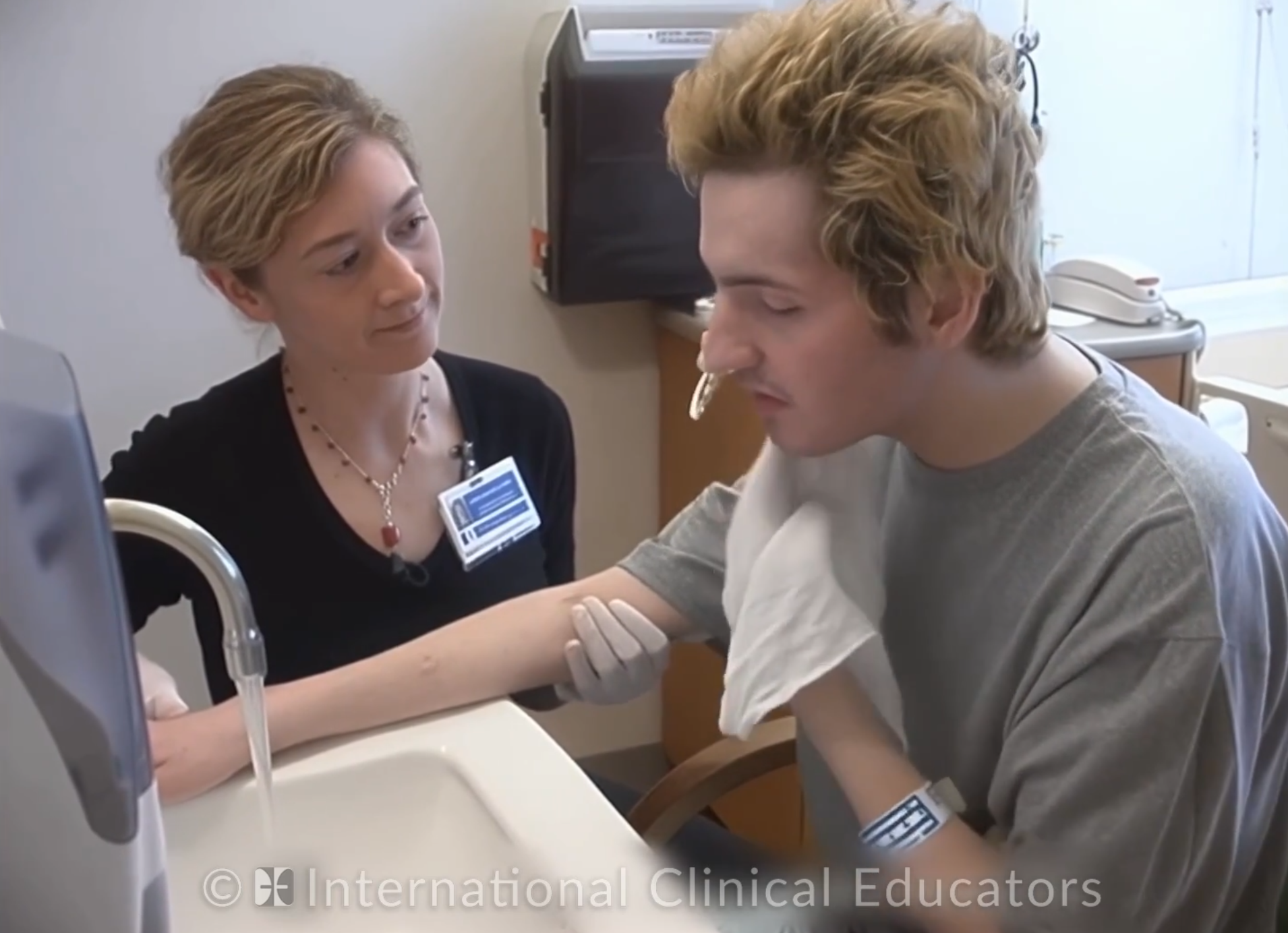
This learning activity is designed to improve clinical reasoning and documentation skills in an acute care setting for a client with stroke post open heart surgery.
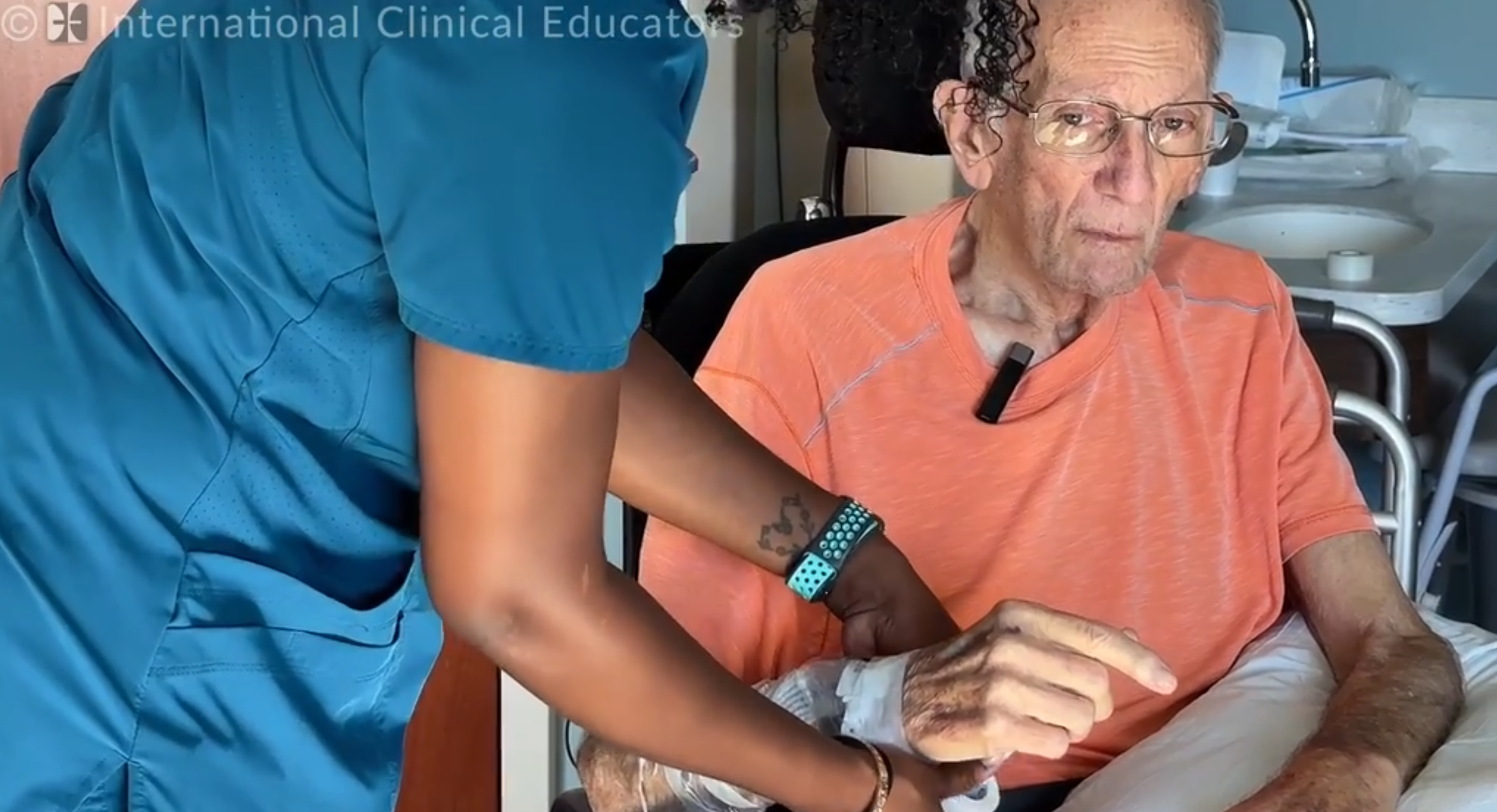
This learning activity is designed to improve clinical reasoning and documentation skills in an inpatient rehabilitation setting for a client post-stroke with dementia.
Ben’s videos provide a case with rich learning opportunities, due to the acute care environment, complexity of his condition, number of video available, and variety of therapists providing his care. There are many learning activities that can be used to achieve diverse learning objectives using Ben’s case.
Dr. T's videos provide a case with rich learning opportunities, due to the complexity of his condition, the family conference video, and the cultural considerations relevant to Dr. T and his family. There are many learning activities that can be used to achieve diverse learning objectives using Dr. T's case.