

Using ICE Videos in Case-Based Learning
Video clips can be viewed multiple times to illustrate different points. It is fine to use the same clips or cases multiple times in multiple ways. This models the cognitive process of reusing and revising cases, which is utilized in case-based learning.

Emphasize Authenticity
Ensure learners understand the practice setting and conditions of the client in which the case is situated. This assists learners to reflect on the case, identify learning opportunities of the case, and encode the case for future retrieval and revision.

Build in Scaffolding
Ask the simple questions about the case first. Then, increase the number of video clips viewed, the complexity of the cases, or the difficulty of the learning activities. Build on knowledge that the learners have already gained in the classroom.

Pair Videos to Learning Objectives
First determine what learners should gain by viewing the case, then choose the appropriate videos to illustrate that objective. These can be simple to complex, and may depend on the course in which the videos are used.
Use Across the Curriculum
Video clips can be viewed multiple times to illustrate different points, or additional clips of the same client can be utilized over time to meet different learning objectives. Many curricula build upon foundational skills and expect more complex analytic, evaluative or creative skills demonstrated by the learner over time.

Consider Collaboration
When using cases to complete a complex assignment, first model this in the classroom as a discussion. View the videos together and point out salient points as they occur in the videos.
Next, use the same assignment / learning activity with a new case that is given to small groups. Videos can be watched by learners out of class, then they can meet (in or out of class) to discuss the assignment.

Research Opportunities
This article describes comparison of video and text cases as they influence clinical reasoning skills in entry-level occupational therapy learners.

Kinesiology/Analysis of Physical Performance, Upper Extremity
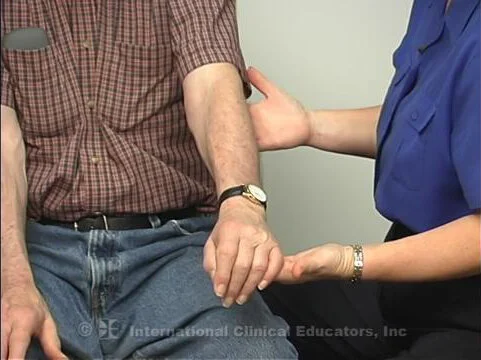
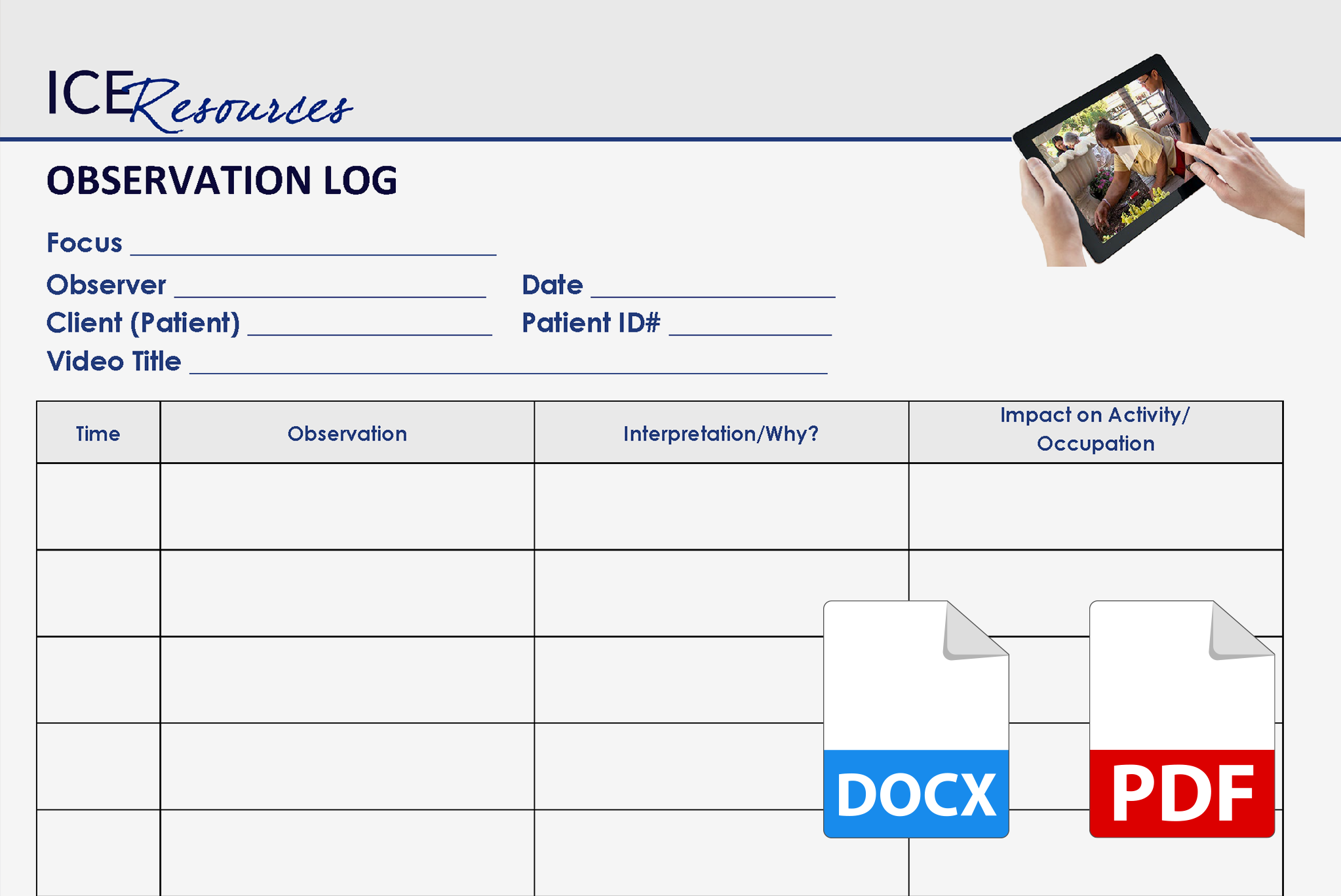
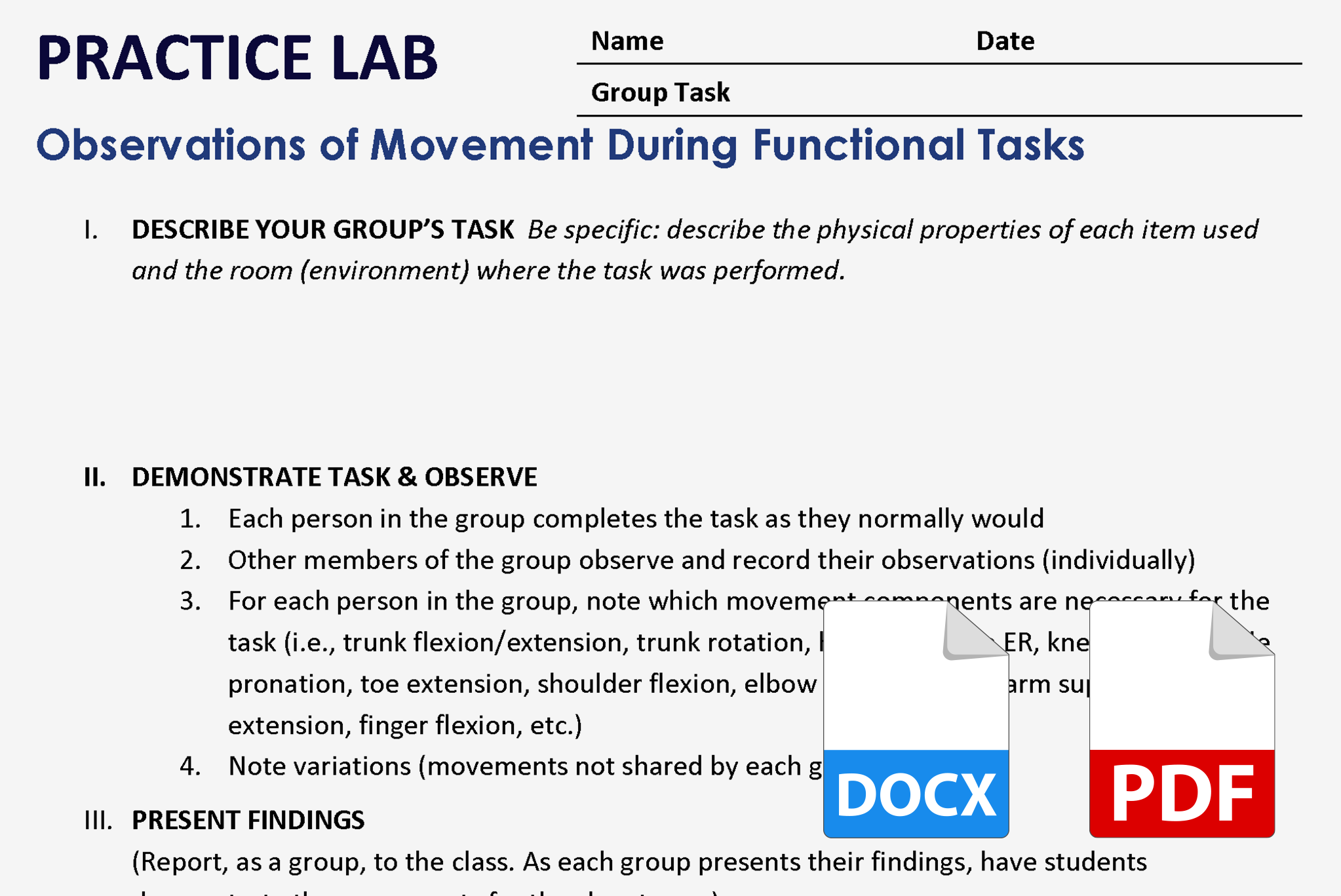
For each video, analyze the movement of the client’s indicated or non-affected upper extremity; joints; movement(s); prime movers; type of contraction; approximate AROM; and any movements/muscles associated.


Treatment Planning
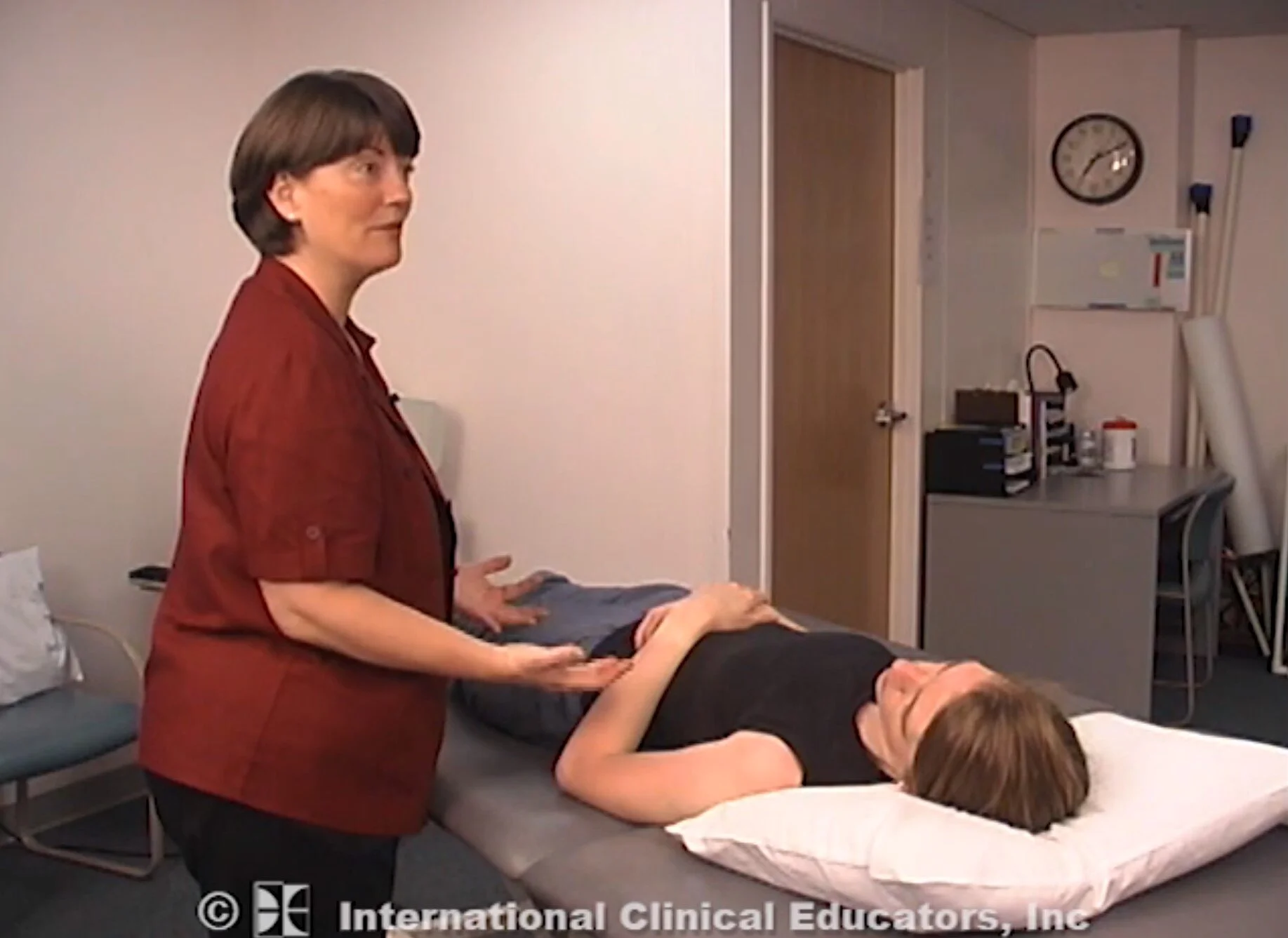
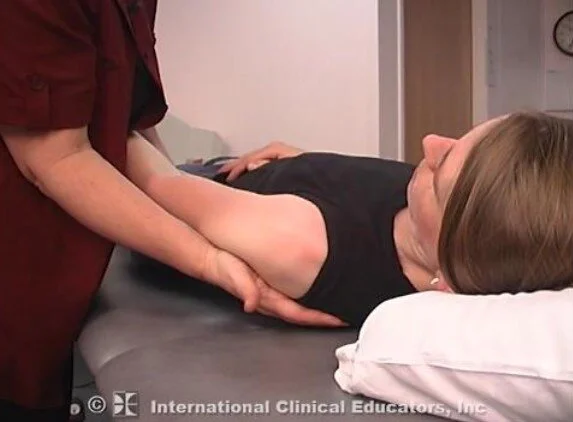
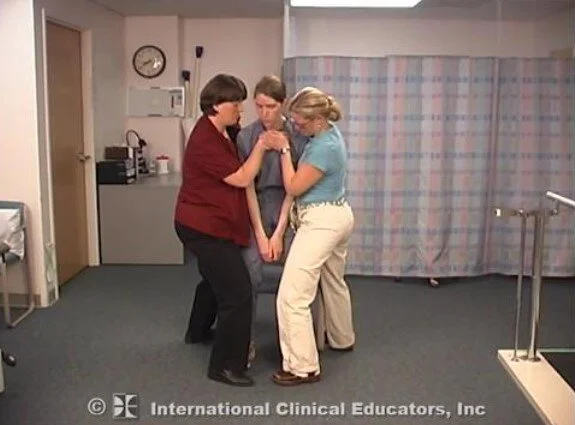
The goal of this assignment is to demonstrate an understanding of OT treatment across a continuum of settings, based upon your hands-on fieldwork experiences, and how you would advance the treatment plan, and with patients with different diagnoses.

Case Study: Ben
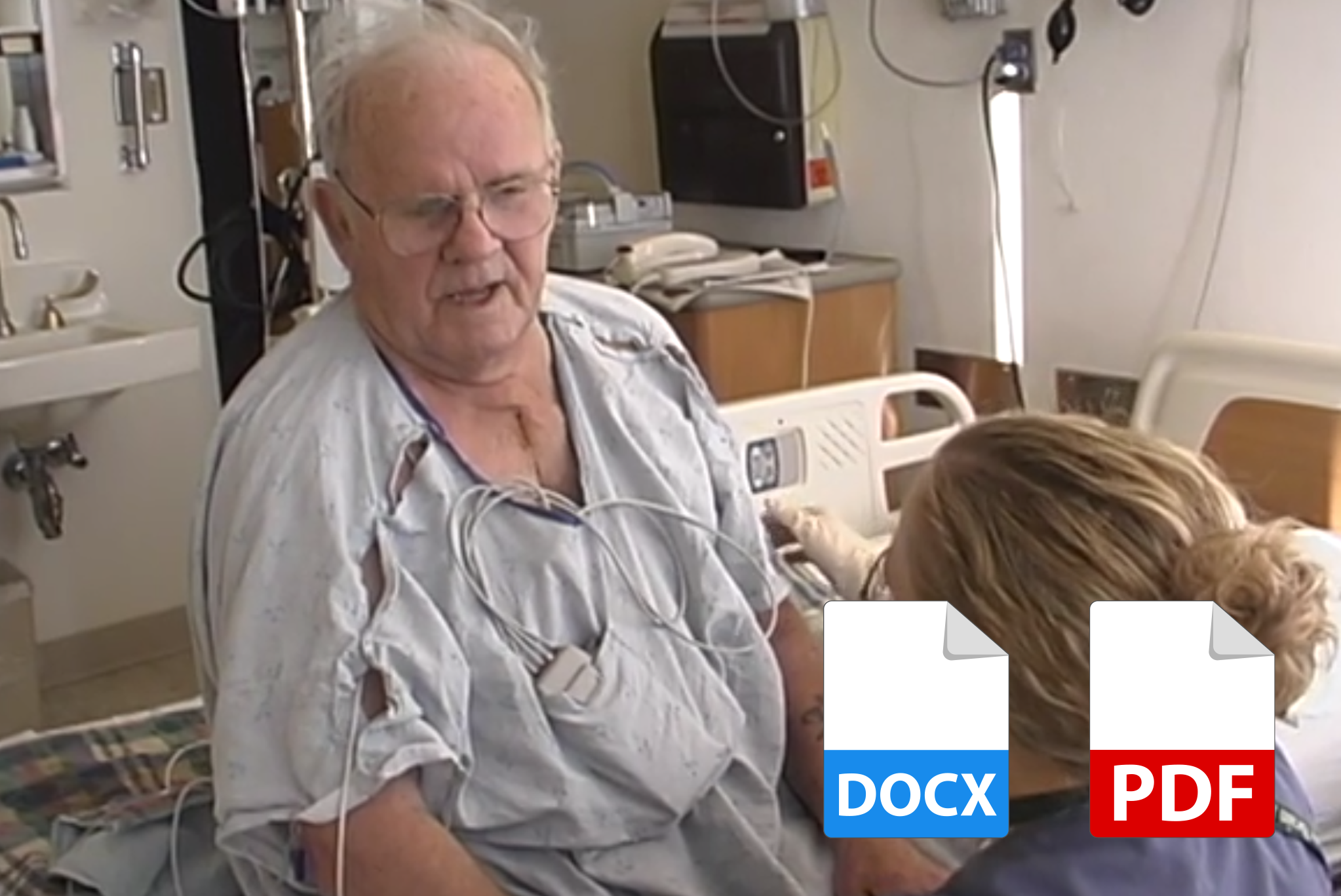
Ben’s videos provide a case with rich learning opportunities, due to the acute care environment, complexity of his condition, number of video available, and variety of therapists providing his care. There are many learning activities that can be used to achieve diverse learning objectives using Ben’s case.

Case Study: Dr. T
Dr. T's videos provide a case with rich learning opportunities, due to the complexity of his condition, the family conference video, and the cultural considerations relevant to Dr. T and his family. There are many learning activities that can be used to achieve diverse learning objectives using Dr. T's case.