

Sample 3-day Level I Clinical Experience
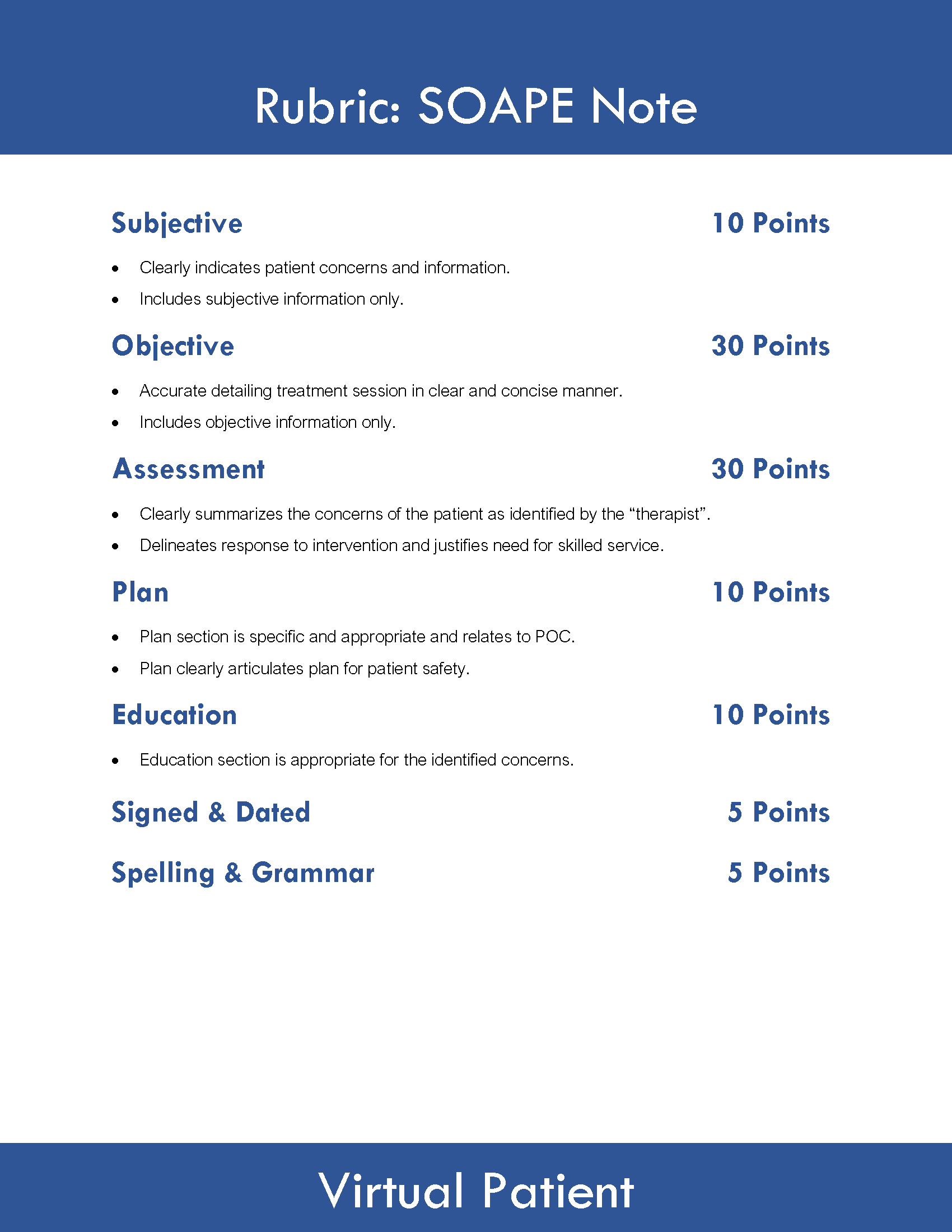
Watch the webinar Create a Virtual Patient Experience Using the ICE Video Library to learn more from Mary Hudson-McKinney on this virtual clinical experience and how her students responded.

Occupations
Occupations refers to the everyday activities that people engage in that have meaning and value in their lives, such as eating, working, sleeping, and social participation.


Performance Patterns
Performance patterns refer to “the acquired habits, routines, roles, and rituals used in the process of engaging in occupations and can support or hinder occupational performance”.
Performance Skills
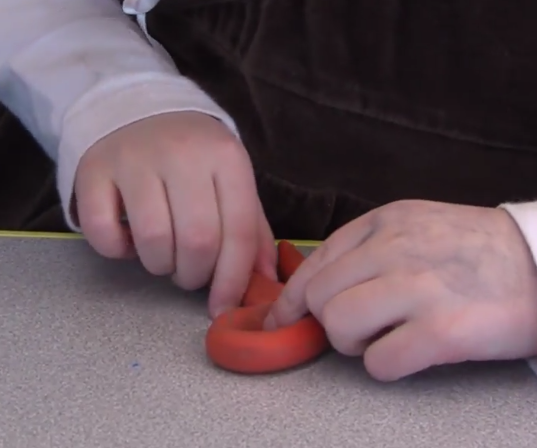
Performance skills refer to “observable, goal-directed actions and consist motor skills, process skills, and social interaction skills” and “result in a client’s quality of performing desired occupations”.

Client Factors
Client factors refer to “specific capacities, characteristics, or beliefs that reside within the person, group, or population and influence performance in occupations.”
Practice Skills
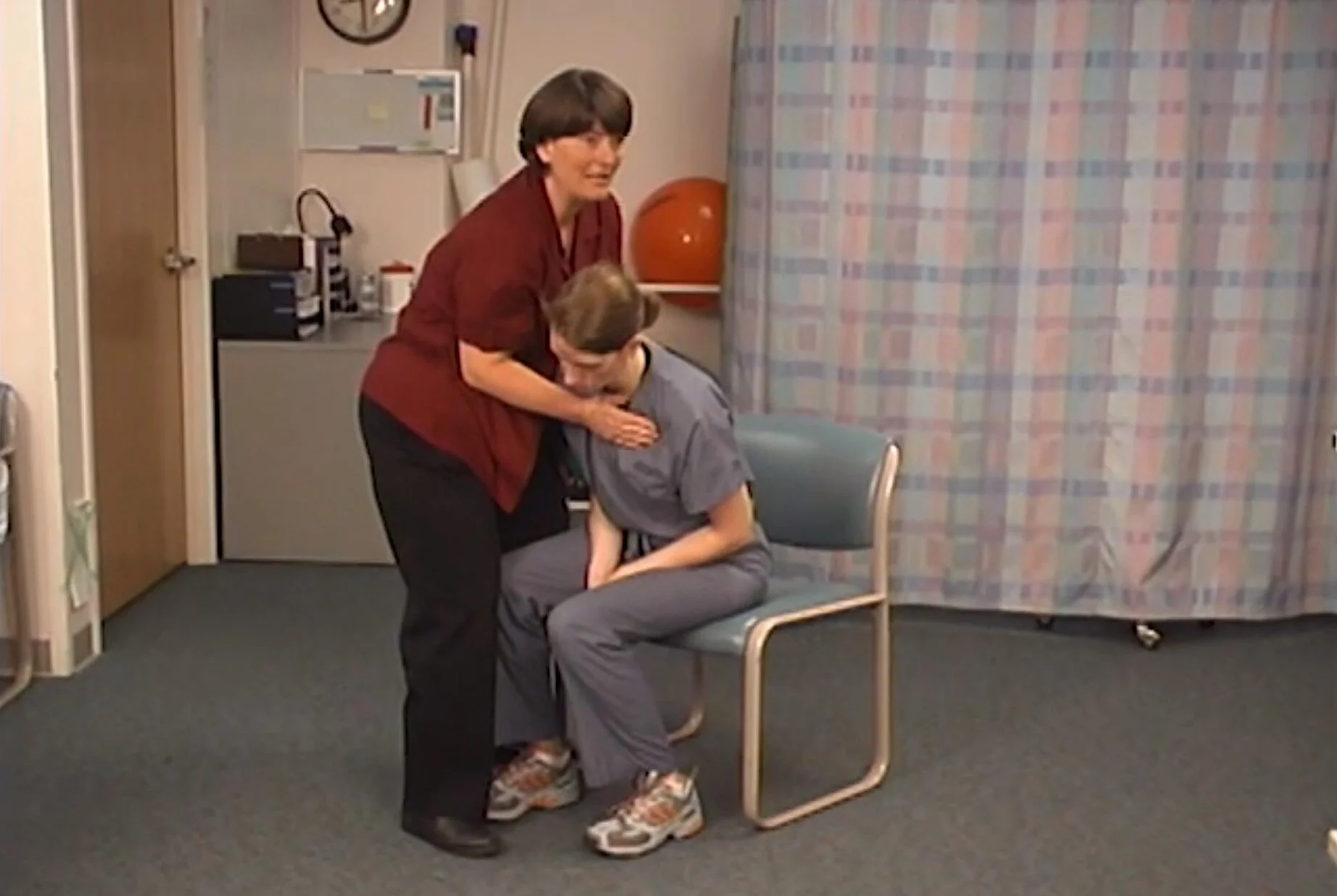
Practice skills are essential for helping students become effective clinicians. Strong clinical skills will also help students confidence during their clinical experiences.
Overview of the Occupational Therapy Process
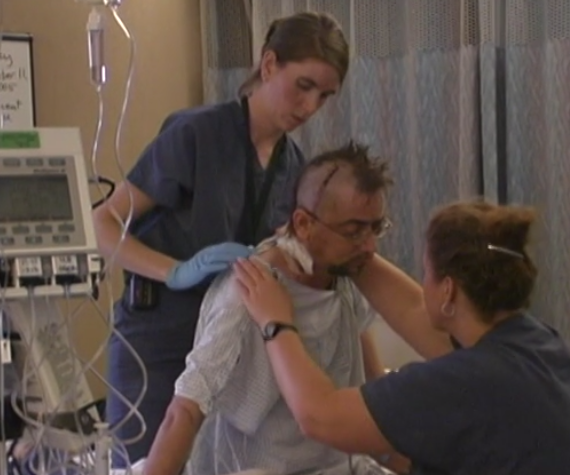
The process of occupational therapy represents the actions that an occupational therapy practitioner takes to promote engagement and participation in occupation. The process includes involve evaluation, intervention, and outcomes.

Evaluation
The evaluation process is focused on finding out what the client wants and needs to do; determining what the client can do and has done; and identifying supports and barriers to health, well-being, and participation.

Intervention
The intervention process consists of services provided by occupational therapy practitioners in collaboration with clients to facilitate engagement in occupation related to health, well-being, and achievement of established goals consistent with the various service delivery models.


Flipping the Classroom
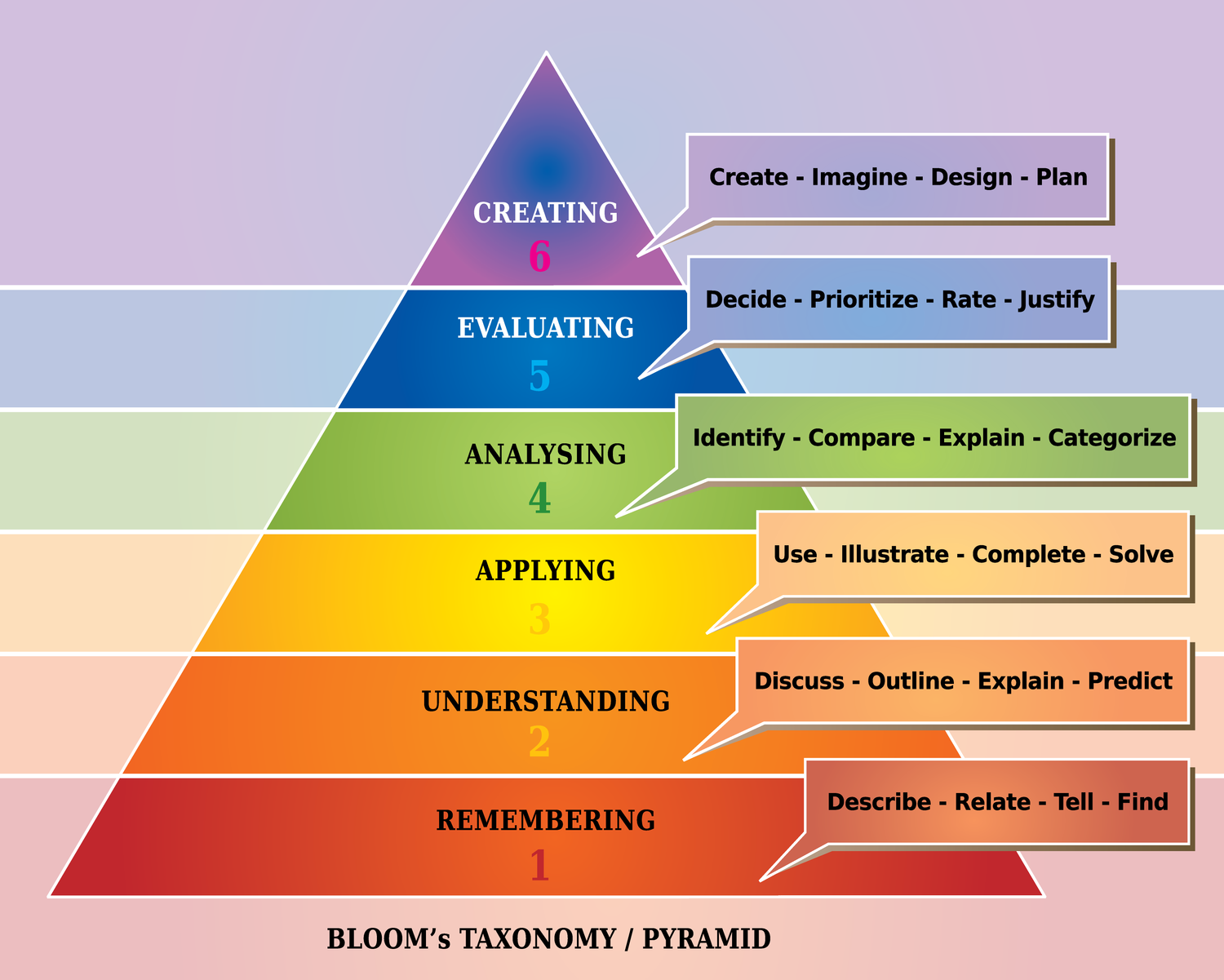
With careful planning, innovative thinking, and access to quality resources, the traditional classroom can be flipped into a hands-on, active learning environment that pushes student critical thinking to a higher level.


Dynamic Observation: The Key to Critical Thinking and Clinical Reasoning
Speaker:
Jan Davis, MS, OTR/L

Tools for Teaching Observation with Learning Activities & Practice Labs
Speaker:
Jan Davis, MS, OTR/L

Create a Virtual Patient Experience Using the ICE Video Library
Speakers:
Jan Davis, MS, OTR/L
Mary Hudson-McKinney, PT, MS, DPT, NCS
Misty Burton, MA, OTR/L

Improving Student Documentation Skills using ICE Videos
Speakers:
Amanda Giles, OTD, OTR/L
Jan Davis, MS, OTR/L

Recognizing the Person in Case-Based Learning
Speakers:
Lynne Murphy, EdD, OTR/L
Jan Davis, MS, OTR/L